






Chain Link Security Fence: 10 Ways to Increase Protection
Learn how to improve chain link fence security for construction sites. See how anchor bases and other methods keep your site safe.

SONCO Safety Marketplace, March 25, 2024
Read more about the author


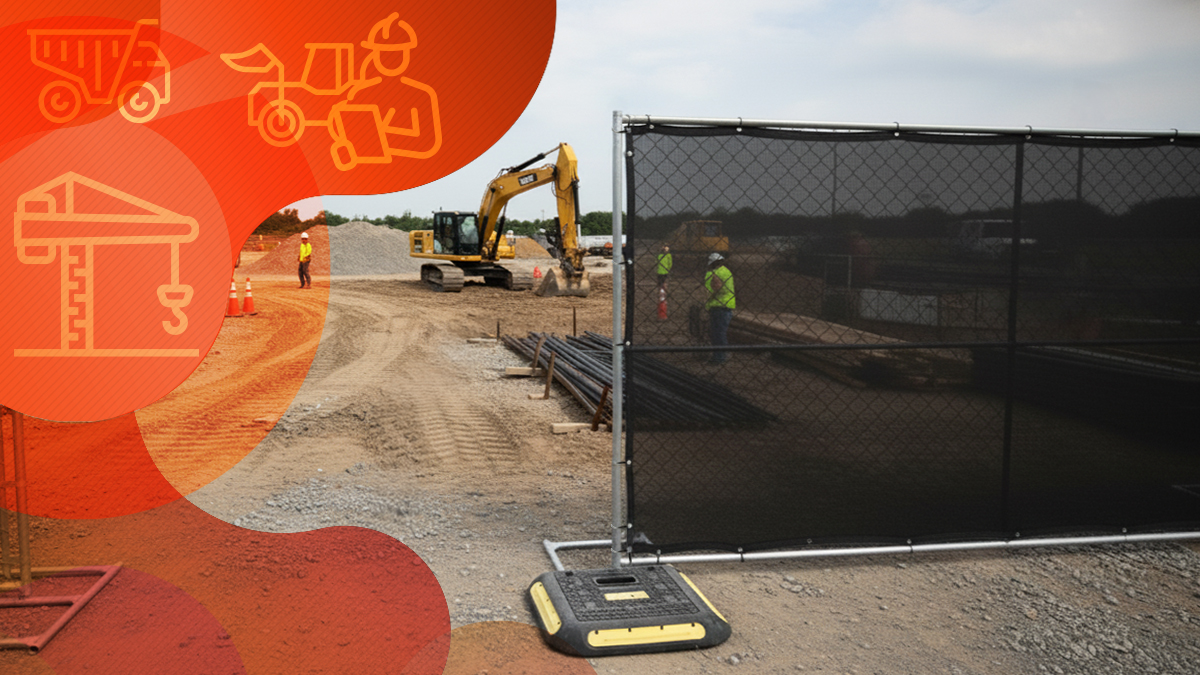
A chain link security fence only works when it is installed and reinforced the right way.
On construction sites and temporary perimeters, most security issues start at the base of the fence, at connection points, or in areas with frequent movement.
This article focuses on practical ways to improve chain link fence security for temporary and jobsite use.
Below, we cover the most effective methods to reinforce chain link fencing so you can choose the right setup for your site.
> To explore the broader topic of fencing, you can also read What is Chain-link Fence?
What Makes a Chain Link Security Fence Effective?
Making a chain-link fence more secure is a wise investment. It is not very difficult, and the cost is minimal compared to what you would have to pay if you experienced a loss because you failed to secure it.
Many of these methods can be used during your chain-link fence installation, whether you do it yourself or hire someone to do it for you.
The most effective setups focus on these factors:
- Stability at the base
A fence that shifts or tips over is easy to breach. Proper bases and anchors are critical, especially on pavement or high traffic areas.
- Secured bottom edge
Gaps at the bottom are one of the most common access points. Bottom rails, tension wire, or anchor systems help close that space.
- Strong connections between panels
Loose connections allow panels to separate or flex. Brackets and proper fastening reduce movement and weak points.
- Limited visibility and access
Screens and anti climb measures help reduce temptation and make it harder to access the secured area.
- Adaptability to site conditions
Wind, uneven ground, and frequent relocation all affect security. The right setup depends on how and where the fence is used.

Structural Stability: The Foundation of Chain Link Fence Security
If a chain link fence is not stable, no additional security measure will work as intended. Movement at the base or posts creates gaps, weak points, and easy access.
For temporary fencing and jobsites, these methods provide the biggest impact on overall security.
Anchor Bases
Anchor bases help keep fence panels upright and reduce movement caused by wind, contact, or uneven surfaces. They are especially important on pavement, where stakes cannot be used.
A stable base makes the fence harder to push over and helps maintain consistent panel alignment along the perimeter.

Anchor Weight
Anchor weights add stability by increasing the downward pressure at the base. Ideal for pavement or hard surfaces, they help prevent movement from wind or foot traffic.

Anchor Block
Anchor blocks offer increased stability and visibility, helping keep fence panels upright in high-traffic or windy areas. They provide long-term security without frequent adjustments.

Bottom Rail
A bottom rail runs along the base of the fence panels and helps prevent movement at ground level. It reduces gaps and adds rigidity to the overall fence line.
This is especially useful in areas where people or animals may try to pass under the fence.
Tension Wire
Tension wire is installed along the bottom of the chain link mesh and works with or without a bottom rail. It helps pull the fence tight and limits flexibility at the base.
This option is commonly used to reinforce temporary fence setups where added stability is needed without adding bulk.
Access and Visibility Control
Controlling visibility and access helps discourage climbing and unwanted entry along the fence line.
Fence Screens
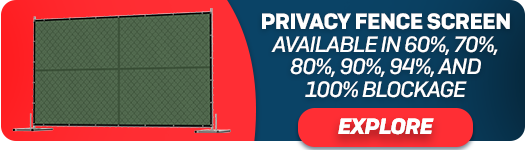
Fence screens limit visibility into the secured area and help discourage access. Higher blockage screens also catch more wind, which can add stress to the fence and reduce stability in exposed areas.
You can mitigate this by using stronger bases and stabilization methods, especially on corners, gates, and high wind zones.
If you are choosing screen material for a temporary or jobsite setup, see our fabric guide to compare blockage levels and performance options:



Barbed Wire
Barbed wire adds a clear deterrent at the top of a chain link fence and helps limit climbing. It is commonly used in restricted areas where added security is required.
Always confirm local regulations and site requirements before using barbed wire.
Supplemental Reinforcement
These options add support at specific points of the fence but work best when combined with proper base stabilization.
Brackets
Fence brackets help keep panels aligned and reduce movement between connections. They make it harder for panels to separate and create gaps along the fence line.
Anchor Stands
Tube stands support the base of fence posts and help keep panels aligned on flat surfaces. They offer basic stability and are commonly used in low wind and low traffic areas where frequent movement is expected.

Post Driven Chain Link Fence
Post-driven chain link fencing uses steel posts driven directly into the ground to create a more permanent installation. This approach provides higher stability than freestanding temporary panels.
It’s commonly used for longer term projects where the perimeter will remain in place for an extended period.

Which Chain Link Fence Security Methods Work Best for Temporary Sites?
Not all security methods work the same way in temporary fence setups. The right choice depends on surface type, wind exposure, and how long the fence will stay in place.
Most effective for pavement and short term projects
- Anchor blocks
- Anchor weights
- Anchor stands + Anchor weights
Best for high wind or high traffic areas
- Anchor blocks
- Bottom rail combined with tension wire
- Reinforced corners and gate areas
Best for longer term installations in soil
- Post driven chain link fencing
- Posts set in concrete
Best for visibility and access control
- Fence screens paired with proper bases
- Barbed wire where regulations allow
In most temporary applications, combining base stabilization with proper connections delivers the best overall security.

Inspection and Maintenance
Even a well installed chain link security fence needs regular checks to stay effective. Movement, weather, and daily site activity can loosen connections over time.
Regular inspections should focus on:
- Base movement or shifting
- Loose brackets or panel connections
- Gaps forming at the bottom of the fence
- Damage caused by wind, equipment, or repeated relocation
Any damaged or loose components should be adjusted or replaced as soon as possible.
More frequent inspections are recommended on active sites or in areas with strong weather exposure.
Chain Link Fence Security FAQs
How do you secure the bottom of a chain link fence?
The most common ways are using anchor bases, bottom rails, or tension wire. These methods help reduce gaps at ground level and limit movement that can lead to unauthorized access.
What is the best way to stabilize temporary chain link fencing?
Stability starts at the base. Anchor blocks, anchor weights, or anchor stands combined with proper panel connections are the most effective options for temporary fence setups.
Are fence screens considered a security feature?
Yes. Fence screens limit visibility into the site and help discourage access. Higher blockage screens increase wind load, so they should always be paired with proper bases and stabilization.
Can chain link fencing be secured on pavement?
Yes. When ground penetration is not possible, anchor blocks or anchor weights provide stability and help keep panels upright on hard surfaces.
Why Choose SONCO for Chain Link Fence Security
- Broad selection of fence panels, bases, screens, and reinforcement options
- Products designed for temporary, jobsite, and rental use
- Multiple stabilization solutions for pavement, soil, and high wind areas
- Options that scale from short term projects to longer term installations
- One source for compatible components that work together on site
Email sales@soncostore.com to view available products or request a quote to build the right chain link security fence setup for your site.

Trend now

Fence Privacy Screen: The Missed Revenue for Rental Companies
Grow profits by over 100% with fence privacy screens. See the numbers, customer benefits, and how SONCO makes it simple.

Greener Shows, Greater Impact: Sustainability in the Live Music Industry
In a competitive market where experience and perception impacts attendance, sustainability is a business advantage as well as a moral responsibility.

Parking Lot Safety Tips for Venues and Arenas
A safe and efficient parking lot sets the tone for the entire event experience, starting from the moment guests arrive.
Search for category
Request a quote now! 