






Expanding Your Rental Business by Adding a Temp Fence Division

SONCO Safety Marketplace, May 17, 2024
Read more about the author


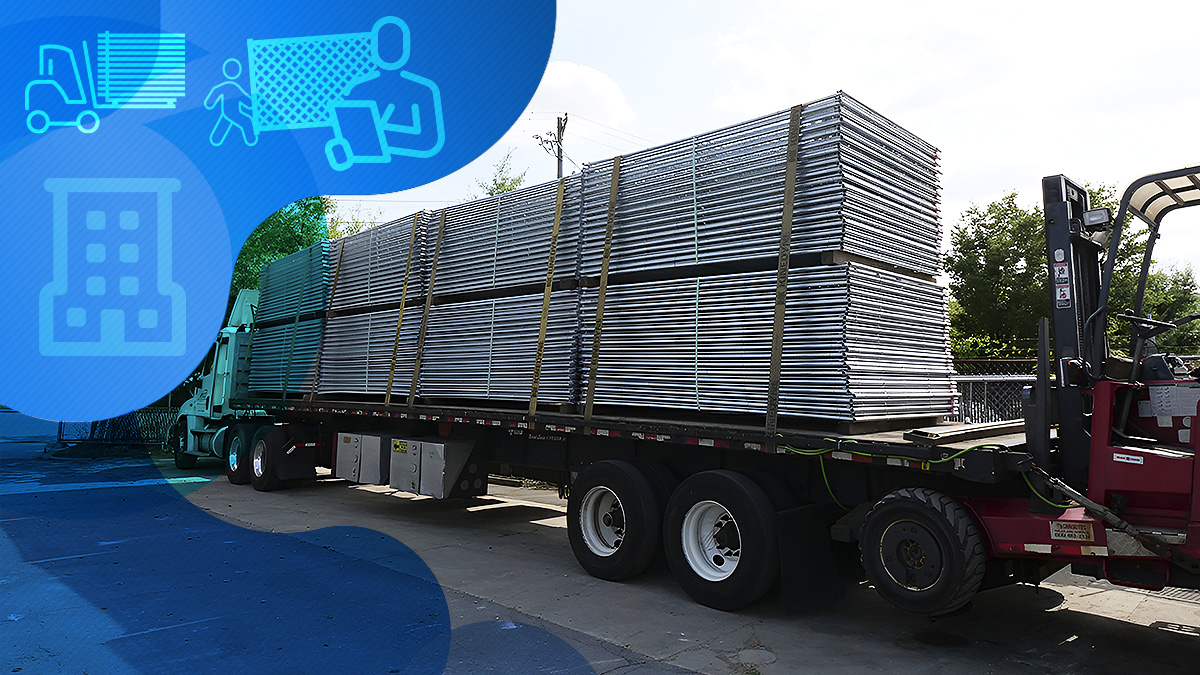
Many site services and rental companies look for ways to grow without rebuilding their business from scratch.
Temp fence rentals fit well with companies that already manage job site support, logistics, or temporary equipment. The demand is steady, the products are reusable, and the setup can scale over time.
This article is for businesses that already operate in site services or rentals and want to understand what it takes to add temp fence rentals as a new revenue stream. It explains the basic steps, the equipment involved, and how to approach this expansion in a practical way.
Why Temporary Fence Rentals Fit Existing Rental and Site Service Businesses
Temporary fence rentals are commonly added by companies that already operate in site services or equipment rentals because they fit naturally into existing operations.
Businesses that manage yards, transport equipment, and serve construction or infrastructure customers already have much of the structure needed to support temporary fencing.
Much of the same logistics used for other rental products can be reused, including storage space, delivery routes, on-site handling, and customer relationships.
Market data helps explain why this expansion happens.
According to industry research on the temporary fencing panels market, the global temporary fencing segment was valued at around USD 3.7 billion and is projected to reach approximately USD 5.3 billion by 2035, driven by continued construction activity, infrastructure projects, and safety requirements on job sites.
Temporary fencing demand is closely tied to construction and infrastructure spending. In the United States, ongoing investment in construction projects continues to support the need for flexible, short-term perimeter control. As construction activity grows, so does the use of temporary fencing for site access control, safety, and traffic separation.
This steady demand is why temporary fence rentals are frequently added to existing rental portfolios. Customers who already rent equipment or site services often need temporary fencing as part of the same projects, making it a logical extension rather than a new market to build from scratch.
What Adding a Temporary Fence Rental Division Involves
At a basic level, a temporary fence rental operation involves four core elements:
- Rental inventory
Temporary fence panels, bases, gates, and related components that can be deployed, collected, and reused across projects.
- Storage and handling
Yard space is needed to store panels and bases between rentals. Panels must be stacked, moved, and loaded regularly, so handling and organization matter.
- Transportation and delivery
Temporary fencing must be delivered to job sites and picked up when projects end. Companies that already transport rental equipment often adapt existing trucks and routes for this purpose.
- Installation and removal
Temporary fencing is installed and removed multiple times over its lifespan. This requires basic installation knowledge and coordination, not permanent construction work.
For many rental and site service companies, these elements overlap with what they already manage for other rental products. That overlap is what makes temporary fencing a common next step when expanding an existing offer.

How Fence Rentals Integrate With Existing Operations
Where the fit usually happens:
- Yard and storage
Fence panels and bases can be stored and stacked like other rental equipment, using existing yard space.
- Delivery and pickup
The same trucks, routes, and schedules used for other rentals can usually support fencing with small adjustments.
- Teams and workflows
Installation and removal follow repeatable steps and often align with current field and operations teams.
- Customers and projects
Many customers already renting site services also need fencing for the same jobs, which makes bundling easier.
Revenue Potential and Business Impact
Fence rentals generate revenue through repeated use of the same inventory. Once panels are deployed and collected, they can be reused across multiple projects.
Example cost and revenue ranges
- Entry-level panel cost
Chain-link fence panel starter kits often start around $129 per panel, depending on configuration and volume.
- Typical rental pricing (varies by market)
-
- $3 to $5 per linear foot
- About $30 to $50 per panel for standard setups
These figures vary based on location, project duration, demand, and service level. They are meant to illustrate how the rental model works, not to represent fixed or guaranteed pricing.
Why this matters for rental businesses
- Panels can generate revenue across multiple rental cycles
- Rental periods often last for the full duration of a project
- Fencing is frequently rented alongside other site services
- Revenue grows through utilization, not one-time sales
When managed as part of a broader rental portfolio, fence rentals can become a consistent revenue stream rather than a single-use offering.

Common Mistakes When Adding Fence Rentals
Fence rentals can work well as part of a rental or site services business, but problems often come from planning gaps rather than demand.
- Overbuying or underbuying inventory
Buying too little inventory can limit the ability to serve multiple projects. Buying too much too early can tie up capital before demand is predictable.
- Ignoring damage, loss, and maintenance
Rental fencing is exposed to weather and job site conditions. Regular inspection and basic repair planning are part of day-to-day operations.
- Skipping planning before scaling
Demand can grow faster than expected. Without basic planning around inventory, scheduling, and pickup cycles, growth can create operational strain.
Avoiding these issues early helps fence rentals become a manageable part of a broader rental portfolio.
Using a Resource Center to Plan Your Fence Rental Expansion
Expanding into fence rentals involves decisions that go beyond equipment and logistics. Some topics require more depth than a single article can cover, which is where a dedicated resource center becomes useful.
Revenue Add Ons and Service Opportunities
The resource center covers common ways rental businesses expand revenue beyond basic fencing, including gates, accessories, bundled services, and repeat rental scenarios. These materials help teams understand add ons without overcomplicating the initial offer.
Marketing Fence Rentals to Existing and New Customers
Rather than generic marketing advice, the resource center focuses on practical approaches to promote fence rentals to current customers and attract new demand tied to active projects and job sites.
Rental Agreements and Contract Considerations
Rental agreements affect risk, liability, and operations. The resource center includes guidance on structuring contracts, setting rental terms, and defining responsibilities without offering one size fits all templates.
Planning Tools and Operational Resources
In addition to guidance, the resource center includes practical tools such as:
- quote templates
- pricing calculators
- product specifications
- installation and removal tips
These resources help teams move from planning to execution with more clarity.


Why Rental Companies Work With SONCO
SONCO has served the safety and crowd control market for 50 years, supplying high quality products used across construction sites, infrastructure projects, and temporary environments.
For more than 20 of those years, SONCO also operated its own fence rental business. That experience shaped how we select products, build rental-ready assortments, and support rental operations today.
We understand inventory cycles, job site handling, and repeat use because we’ve managed those realities ourselves.
SONCO also supports rental growth beyond products. When customers contact us looking to rent fencing or related equipment, we forward those leads to rental companies that buy from us, helping connect demand with local rental partners.
Today, SONCO supports rental and site service companies with the right products and practical assistance from the beginning.
From equipment selection to operational guidance, our team helps businesses structure their fence rental operations with more clarity and confidence.

Trend now

Temporary Fence Rental Lifespan: Tips to Make Your Fence Last Longer
Learn the storage habits that extend the lifespan of every panel.

How to Manage a Crowd at an Event: A Complete Guide for Event Managers
Learn how to manage a crowd at an event with proven strategies for planning, signage, barriers, staffing and more.

How to Install a Mesh Chain-Link Fence: Step-by-Step Guide
Learn how to install a mesh chain-link fence step by step.
Search for category
Request a quote now! 