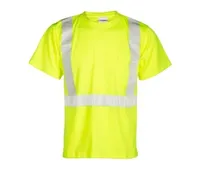
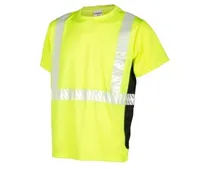
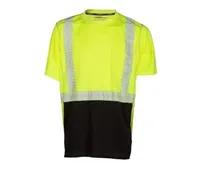
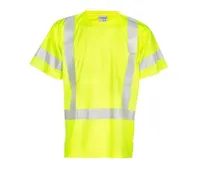
Applications of Reflective Vests, Hi-Vis Pants and other PPE Attire
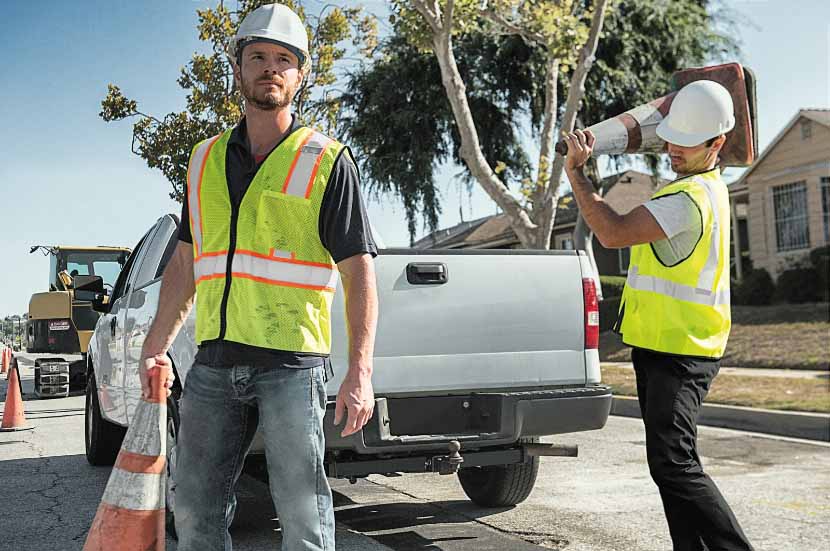
Safety vests are used across construction sites, roadwork, and active jobsites where workers need to stay visible around equipment and traffic. They protect construction workers amidst heavy machinery, aid roadside workers in staying visible, and protect fence installation crews from passing vehicles.
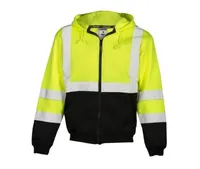
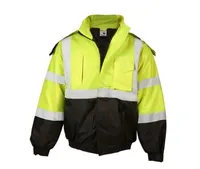
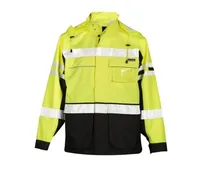
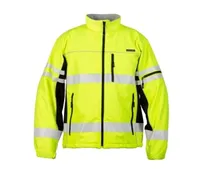
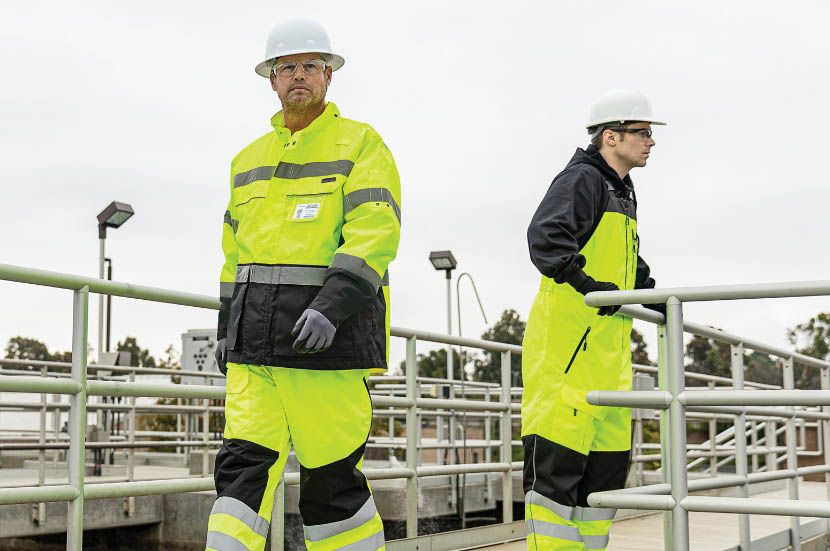
Whether directing traffic, surveying or doing construction work, our ANSI and OSHA-compliant options, Like Class 2, or Class 3 safety vests, will suit various needs. Other than reflective shirts, vests and pants, we also offer safety jackets, perfect for the wintertime.
Understanding ANSI Classes and Types for High Visibility Vests
High visibility vests are classified under ANSI standards using two systems: performance class and garment type. These systems work together to define where and how a reflective vest should be used.
Safety Vests Performance Class
The class refers to the amount of visible material on the garment. Class 1 reflective vests are used in low-risk environments with traffic speeds up to 25 mph.
Class 2 high-visibility vests are designed for areas with traffic speeds between 25 and 50 mph. Class 3 safety vests provide the highest level of visibility and are required for workers exposed to speeds above 50 mph or complex jobsite conditions.
Safety Vests Garment Types
The type refers to the work environment. Type Ovests are intended for off-road use such as warehouses, parking areas, and event operations.
Type R vests are used in roadway environments and include Class 2 and Class 3 safety vests. Type Pvests are designed for public safety personnel such as law enforcement and first responders. When selecting a work vest or safety jacket, both the ANSI type and class should be considered.
High Visibility Workwear: Key Features and Options
When choosing reflective vests, safety jackets, or hi-vis work pants, it is important to evaluate job site conditions, weather exposure, and compliance requirements. Below are key features to consider when selecting PPE apparel:
ANSI-Compliant Vests
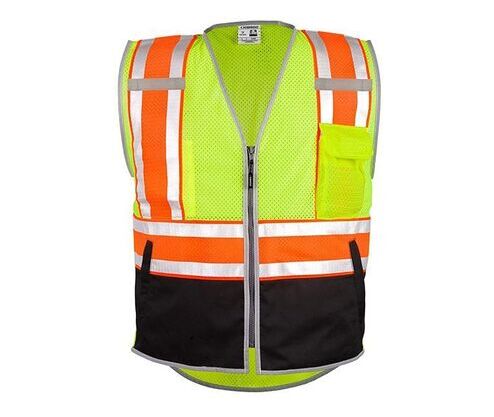
Designed to meet visibility performance standards based on work environment risk levels. Class 2 and Class 3 safety vests differ in the amount of reflectivity. Higher classes are required for workers exposed to higher speed traffic.
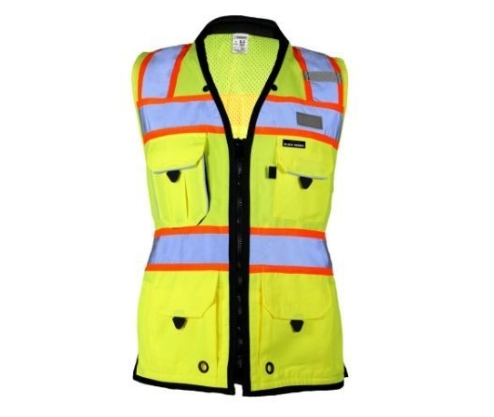
Safety Vests with Pockets
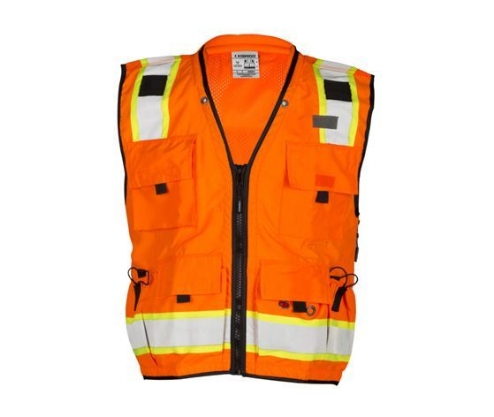
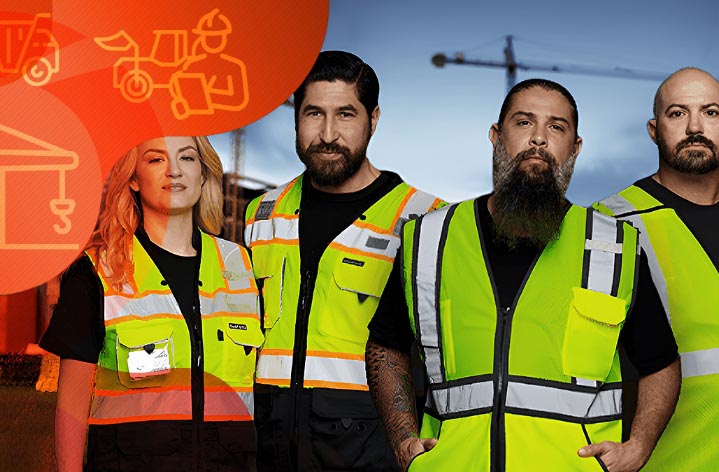
A work vest with multiple pockets supports daily job tasks by allowing workers to carry radios, ID badges, or small tools. Zipper closures, reinforced stitching, and structured pocket layouts reduce the need for tool belts.
Fire-Resistant Workwear
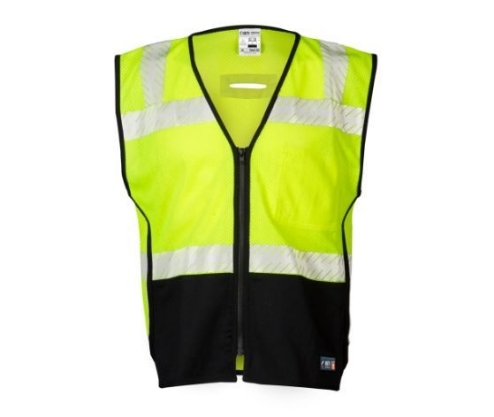
Fire resistant safety apparel is used in environments where workers may be exposed to arc flash, flash fire, or combustible materials. FR reflective vests and jackets are manufactured with specialized fabrics that meet flame resistance standards.
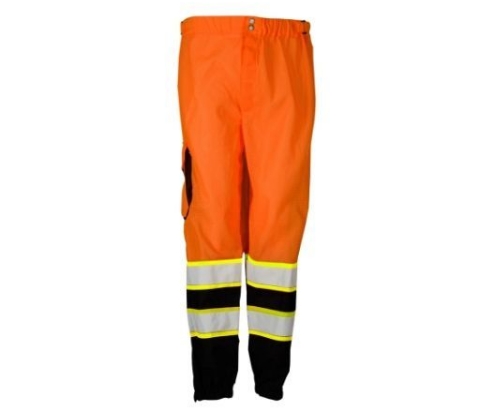
Work Pants with Contrasting Colors
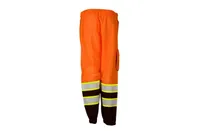
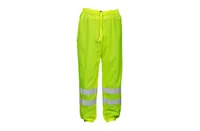
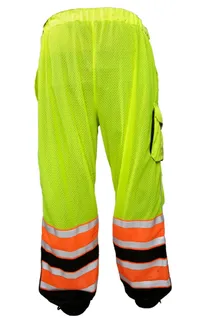
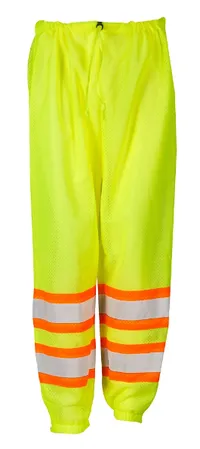
Construction pants featuring not only reflective stripes but also contrasting lower leg panel increases visibility of leg movement, which is particularly important near moving vehicles or machinery.
PPE Clothing with Fluorescent Colors
Fluorescent yellow, green and orange fabrics are the standard for high visibility vests and safety jackets. These colors absorb some UV-light, making the garments appear to glow, significantly enhancing daytime and nighttime visibility.
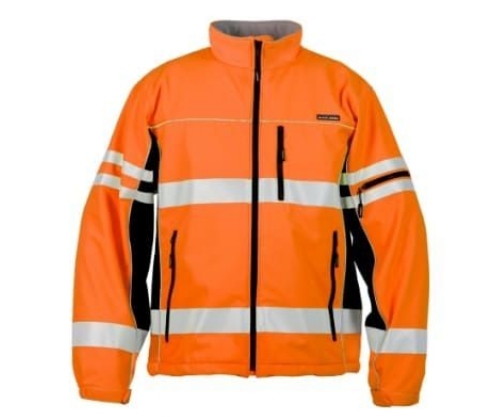
Moisture Resistant Safety Jackets
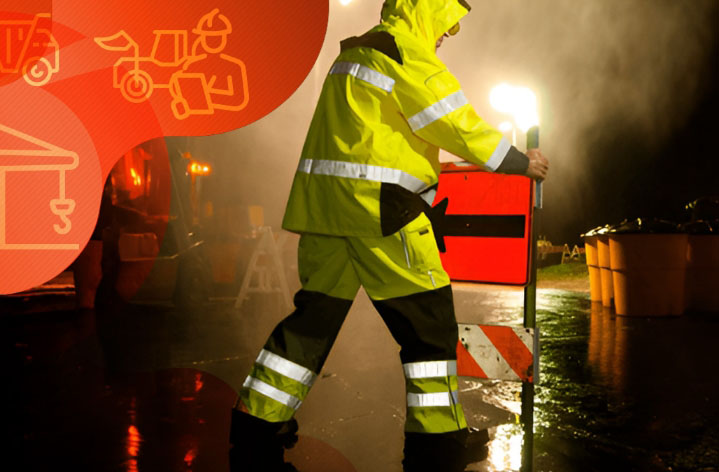
A moisture resistant safety jacket helps protect workers from rain and wind while maintaining high visibility. Sealed seams, adjustable cuffs, and insulated liners are common features for crews working in colder or wet conditions.
Custom Safety Vests & Other Workwear
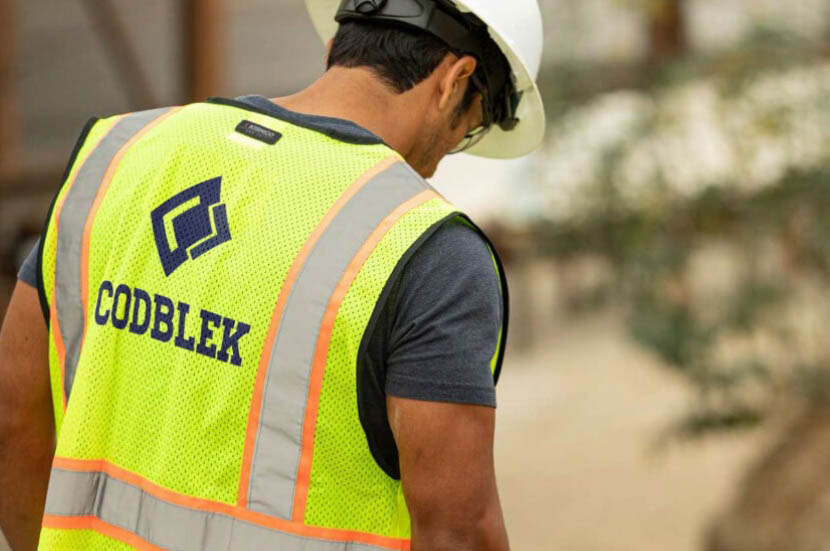
Custom PPE can support team identification and site organization. Adding a company logo, worker name, or job title to reflective vests and safety jackets helps supervisors, clients, and inspectors quickly identify workers on site.
At SONCO, custom printing is available for high visibility vests, safety jackets, and other workwear apparel. Logos can be placed on the front or back of garments depending on your preference. Reach out to our sales team and request a custom quote today!
Choosing the Right Workwear
Different jobs require different levels of visibility. Use this quick guide to match the right classification to your environment
Warehouse and indoor use: Type O, Class 1 reflective vest.
Parking lots and events: Type O or R, Class 1 or Class 2 high visibility vest.
Construction and utility work: Type R, Class 2 safety vest.
Roadwork and highways: Type R, Class 3 safety vest.
Emergency responders: Type P, Class 2 or Class 3 safety vest.
Low light or night work: Class 2 or Class 3 reflective vest.
High-Visibility Vests FAQs
1. What class 3 safety vest do I need for highway work?
A: Class 3 safety vest is required for workers exposed to traffic speeds above 50 mph or complex roadway environments. If workers are exposed to lower speeds between 25 and 50 mph, a Class 2 safety vest may be sufficient. Always verify project specifications and local requirements before selecting PPE.
2. What is the difference between Class 1, Class 2 and Class 3 safety vests?
A: ANSI standards divide high visibility safety vests into three performance classes based on the amount of fluorescent background fabric and reflective material used. Class 1 reflective vests are intended for environments where traffic speeds do not exceed 25 mph, while Class 2 high-visibility vests are used in areas with traffic speeds between 25 and 50 mph. Class 3 safety vests are required for workers exposed to traffic speeds above 50 mph.
3. Are reflective vests required by OSHA?
A: OSHA requires employers to provide a workplace free from recognized hazards under the General Duty Clause. While OSHA does not publish detailed garment design specifications, it recognizes high visibility apparel as part of a safe work plan where workers are exposed to vehicle traffic or mobile equipment.
4. What are the different types of high visibility vests?
A: ANSI divides high visibility safety apparel into three types based on work environment. Type O vests are for off road use such as warehouses, parking areas, and event operations. Type R vests are for roadway use and include Class 2 and Class 3 safety vests. Type P vests are designed for public safety personnel such as law enforcement and first responders.
5. Are hi-vis work pants required on construction sites?
A: Hi-vis work pants are often required when additional lower body visibility is necessary, especially near moving vehicles or heavy equipment. Reflective striping on construction pants increases visibility of leg movement, which can help drivers and equipment operators detect workers more easily.
6. Can reflective vests and workwear be customized with a company logo?
A: Yes. Many high visibility vests, safety jackets, and workwear pants can be customized with printed logos, company names, worker identification, or job titles. ANSI guidelines limit the size of graphics depending on whether they are contrasting or non-contrasting, so artwork placement should follow visibility requirements.
7. Who needs hi vis work pants or reflective construction pants?
A: Hi-vis work pants and reflective construction pants are commonly worn by highway flaggers, construction crews, utility workers, surveyors, transportation teams, warehouse staff, and emergency response personnel who operate near moving vehicles or heavy equipment. Project specifications may require hi vis work pants in addition to a reflective vest to increase overall worker visibility.
8. What colors are used for safety vests?
A: Fluorescent yellow, green, and orange are standard for high visibility workwear.
Safety vest choices are fairly clear-cut, but only if you’re familiar with the classifications. Learn how to outfit your workers for a safe workday with ANSI-compliant safety vests.