






Construction Site Theft: How to Stop It Before It Costs You

SONCO, July 29, 2024
Read more about the author


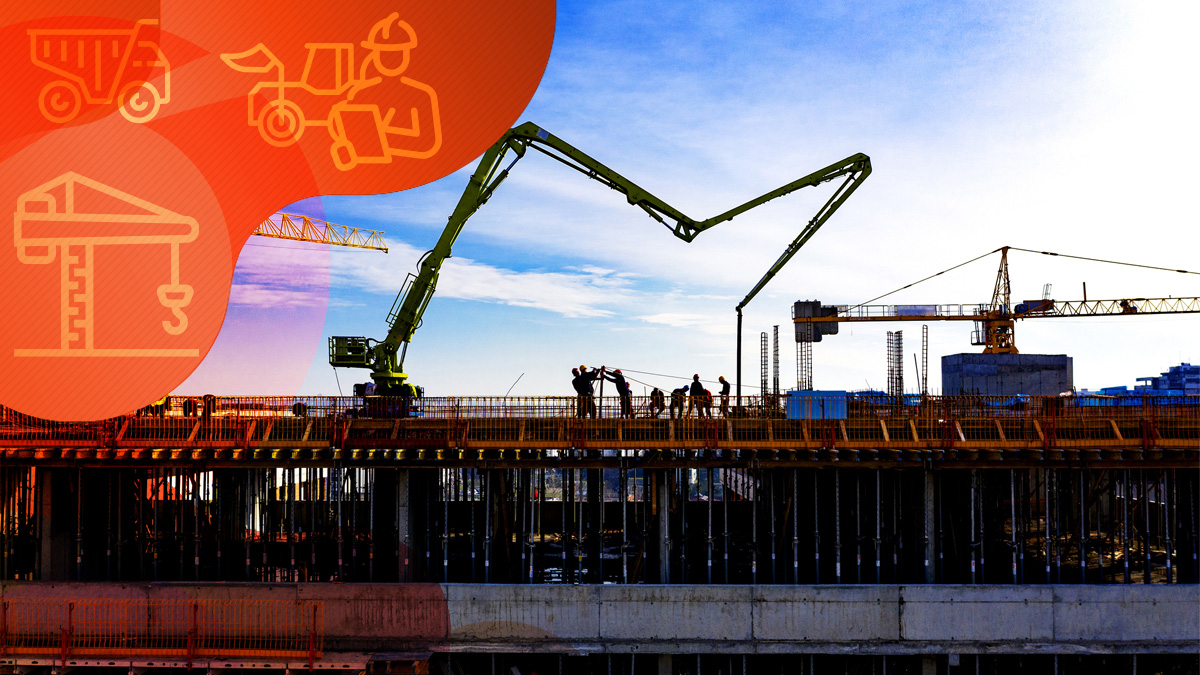
Construction site theft doesn't make headlines, but it quietly drains the industry of over $1 billion every year. Equipment disappears overnight, vehicles vanish over weekends, and materials walk off job sites a little at a time, and most of it is never recovered.
For contractors and project managers, the impact goes beyond the dollar figure on a police report. Stolen equipment means delayed timelines, frustrated clients, emergency rental costs, and insurance headaches that can follow a business for years. In competitive markets with tight margins, a single major theft incident can be the difference between a profitable project and a losing one.
The good news is that construction site theft is largely preventable. Most incidents don't happen because thieves are sophisticated, they happen because sites make it too easy. Unsecured perimeters, unregistered equipment, poor lighting, and a lack of accountability are what turn a job site into an opportunity.
This guide breaks down the real risk factors, the practical steps you can take right now, and the security products that give your site a fighting chance, so you can focus on finishing the job instead of replacing what was taken.
Construction Site Theft by the Numbers
If you think your job site isn't a target, the data says otherwise. Construction site theft is one of the most underreported crimes in the industry, and one of the most expensive.
- Nearly 12,000 thefts were reported at U.S. construction sites in 2021 alone
- The average theft incident costs contractors around $6,000 in losses
- A stolen truck? That jumps to approximately $42,000 per incident
- Only 7% of stolen equipment is ever recovered
- Total annual losses across the industry reach an estimated $1 billion
The recovery rate is particularly alarming. Thieves frequently target older equipment that lacks serial numbers or registration, making it nearly impossible to trace once it leaves the site.
If you're running a job with high-value machinery and no perimeter security in place, you're not just at risk. You're an easy target.
Why Some Construction Sites Get Targeted
Not all job sites carry the same risk. Experienced thieves scope locations before they strike, and certain conditions make a site significantly more attractive than others.
No perimeter barrier. An unfenced site sends a clear message: walk right in. Without a defined boundary, there's no psychological or physical deterrent stopping someone from loading up a truck after hours.
Equipment without registration numbers. Older machines that haven't been registered or don't carry visible serial numbers are prime targets. They're harder to trace, easier to sell, and faster to move. New equipment with proper documentation stands a better chance of being recovered.
High foot traffic from multiple parties. Subcontractors, vendors, inspectors, delivery crews, a busy site is also a porous one. When many people have legitimate access, it becomes much harder to notice when something (or someone) doesn't belong.
Predictable routines. Sites that follow the same schedule every day, leave equipment unattended overnight in the same spots, or have no visible security presence are easier to plan against.
Poor lighting. Darkness is a thief's best ally. Sites without adequate lighting around equipment storage areas, vehicle parking, and entry points become far more vulnerable after sunset.
Understanding these vulnerabilities is the first step. The next is doing something about them.

Tips on How to Improve the Security on Your Job site
As an owner, supervisor, manager, or foreman of a construction company, there are many things you can do to protect your construction jobsite. Taking steps to secure your equipment can help reduce the chances of theft and may even increase the chances that your items will be recovered if they are stolen. Here's what you need to know.
1. Vet Employees and Subcontractors
Insider theft is more common than most contractors want to admit. Before anyone sets foot on your site with unsupervised access, run thorough background checks and call references — not just for full-time hires, but for subcontractors too.
Build a consistent hiring process and apply it without exception. The few hours it takes to properly vet a worker can save you tens of thousands in losses down the line.
2. Track and Inventory Everything on the Jobsite
You can't report what you can't prove you owned. Keep a running inventory of every piece of equipment on site, including serial numbers, purchase dates, and the date each item arrived on location. Log when things leave too.
This documentation isn't just good housekeeping. It's essential for insurance claims, police reports, and any chance of recovery if something goes missing.
3. Store Equipment in Locked Storage Sheds
Tools and equipment left out overnight are tools and equipment waiting to be stolen. Use dedicated, locked storage sheds (ideally separate ones for tools versus materials) and restrict access to those who genuinely need it.
Make end-of-shift lockup a non-negotiable habit. Assign someone to do a final sweep before the site goes dark.
4. Store Vehicles in Well-Lit, Secure Areas
Trucks are the single most expensive item stolen from construction sites. Designate one specific parking area on site, keep it well-lit, and make sure everyone (workers and managers alike) uses it consistently.
Don't leave keys in vehicles and always verify everything is locked before the last person leaves for the day

5. Assign Supervisory Security Duties
Security doesn't happen on its own. Someone needs to own it. That doesn't mean hiring a dedicated guard for every site, but it does mean putting a named person, like a foreman, or a site manager in charge of security oversight each day.
When no one is accountable, things get missed. When someone is accountable, they don't.
6. Train Employees
Your crew is your best early warning system, but only if they know what to look for. Train workers to recognize suspicious behavior: unfamiliar vehicles circling the site, people photographing equipment, or anyone who doesn't seem to have a clear reason to be there.
More importantly, make sure they know exactly who to report to and that their report will be taken seriously. A team that communicates is a team that protects itself.
7. Invest in Good Perimeter Fencing
This is where physical security makes the biggest difference, and where cutting corners tends to hurt the most.
A well-installed perimeter fence doesn't just slow thieves down; it removes the opportunity entirely. When installing temporary fencing around your site, use clamps to secure panels together and install bolts with the threaded end facing inward so the fence can't be easily disassembled from outside.
For sites storing high-value equipment or located in higher-risk areas, anti-scale fencing is worth serious consideration. Designed specifically to prevent climbing, it's one of the most effective deterrents available for temporary security needs.
Anchor your fence properly :weighted bases for panel systems, deep-set posts for driven systems, so it can't be toppled or pulled out of the ground. And consider adding a privacy screen: if a thief can't see what's inside, they're less likely to bother finding out.
SONCO's temporary fencing solutions are built for exactly these scenarios, from standard construction perimeters to high-security anti-scale options.

Quick Security Checklist
Run through this before you close the site for the day. If you've applied the tips above, most of these should already be covered.
✅ Background checks completed for all employees and subcontractors
✅ Full equipment inventory with serial numbers on file
✅ Tools and equipment locked up at end of every shift
✅ Vehicles parked in a designated, well-lit, secured area
✅ Someone assigned to security oversight daily
✅ Workers trained to recognize and report suspicious activity
✅ Perimeter fencing installed and properly anchored
The more boxes you can check, the harder your site is to hit.
Most Commonly Stolen Equipment from Construction Sites
Knowing what thieves prioritize helps you protect it first. The most frequently stolen items from job sites include:
- Heavy equipment: Bobcats, backhoes, and loaders are high-value and — without proper immobilization — surprisingly easy to move.
- Generators: Portable, valuable, and in demand on the resale market. Always a target.
- Hand and power tools: High volume, easy to carry, easy to sell. Often taken in large quantities during a single incident.
- Vehicles and trucks: The most expensive single items to lose. Often targeted for the equipment inside them as much as the vehicle itself.
- Building materials: Copper wiring, lumber, plumbing fixtures, windows, and doors all carry real resale or scrap value.
- Scrap metal: Frequently overlooked as a theft risk, but recycling centers provide a fast, relatively anonymous cash outlet for thieves.
Prioritize securing these categories first, especially anything that's portable, unregistered, or left outdoors overnight.
SONCO Helps You Protect What You've Built
Construction site theft is a volume problem, thousands of incidents, billions lost, and a recovery rate so low it barely registers. The contractors who avoid becoming statistics aren't just lucky. They've put the right systems and the right barriers in place.
SONCO has been helping construction teams secure their perimeters for over 45 years. Whether you need temporary fencing for a short-term project, anti-scale panels for a high-security site, or privacy screens to keep your equipment out of sight, SONCO has the products and the expertise to help you build a security setup that actually works.
Explore SONCO's construction site security solutions or request a quote to find out what's right for your project.
Trend now

Temporary Fence Rental Lifespan: Tips to Make Your Fence Last Longer
Learn the storage habits that extend the lifespan of every panel.

How to Manage a Crowd at an Event: A Complete Guide for Event Managers
Learn how to manage a crowd at an event with proven strategies for planning, signage, barriers, staffing and more.

How to Install a Mesh Chain-Link Fence: Step-by-Step Guide
Learn how to install a mesh chain-link fence step by step.
Search for category
Request a quote now! 