







Event Security Planning: A Step-by-Step Guide for Venue Operators
Plan event security the right way: risk assessment, crowd control, permits, equipment, and a full checklist. Built for venue owners and event planners.

SONCO Safety Marketplace, December 11, 2024
Read more about the author


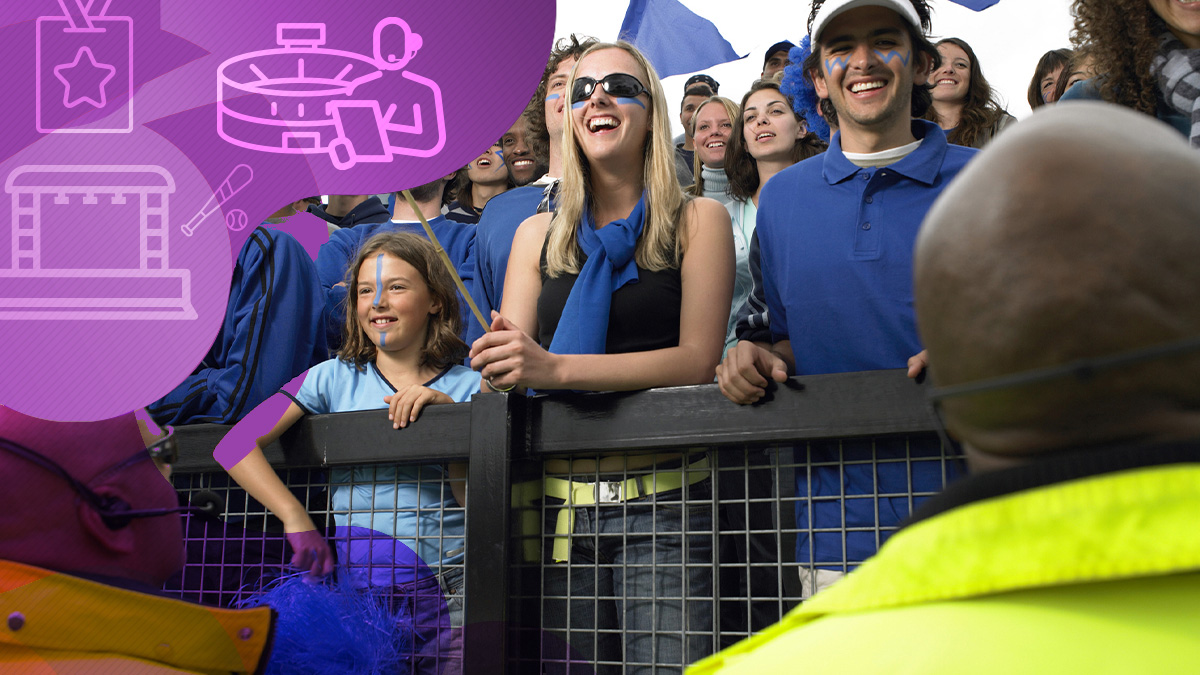
Every event carries some level of risk. The difference between a safe event and a chaotic one almost always comes down to how well the security was planned before anyone walked through the door.
Event security planning is the process of identifying risks, setting up the right protocols, choosing the right equipment, and keeping everyone on site safe, from staff and performers to every person in attendance.
For venue operators, it also means staying compliant with OSHA requirements, ADA standards, and local permit obligations.
This guide walks you through each step, including a practical checklist you can use for your next event.
What Is Event Security Planning?
Event security planning is how venue operators prepare for everything that could go wrong at an event before it actually does. It covers risk assessment, crowd control, access management, emergency response, and compliance with federal and local regulations.
The goal is simple: people come, they have a good time, and they leave safely. Staff do their jobs without incident. Performers take the stage and walk off without issue. Property stays intact.
A good security plan does not wait for problems to show up. It anticipates them, assigns responsibility for handling them, and puts the right tools and people in place ahead of time.
Step 1. Know Your Event
Before anything else, you need a clear picture of what you are dealing with. The security needs of a private corporate dinner are nothing like those of an outdoor music festival. Collecting the basic facts about an event is what defines the scope of your security plan.
Event Size and Scope
As a general rule, the more people attending, the more security planning required. An event spread across multiple buildings or outdoor spaces carries more risk than one contained in a single room. The number of entry points, exits, and open areas all affect how you staff and equip the event.
Venue Location
Every venue has its own vulnerabilities. A rural open-air venue where attendees can wander freely presents different crowd control challenges than an urban venue surrounded by foot traffic and nearby businesses. Understanding how people will approach, enter, and leave your venue is one of the most important parts of early planning.
Type of Event
A private party carries far less security risk than a national sporting event or a political rally. Knowing the event type helps you predict the likely risks. Evening events and all-day gatherings that serve alcohol tend to require a stronger security presence than daytime events with no alcohol service. Events with high-profile performers or public figures add another layer of complexity.
Build Your Event Profile
Once you have the who, what, when, and where, you can start building your security plan. Use that information to map out a basic event profile before moving into risk assessment.
Here is a simple reference to help you match event type to security complexity:
Event Type
Typical Security Level
Private party or corporate dinner
Low
Wedding or social celebration
Low to medium
Community festival or outdoor market
Medium
Concert or live performance
Medium to high
Sporting event or public rally
High
Multi-day festival or large public gathering
High
Step 2. Assess Risk
Once you know your event, the next step is figuring out what could go wrong. A risk assessment looks at every area of your event and identifies potential threats before they become real problems.
Every event security plan should cover the following areas.
Worker Safety
The Occupational Safety and Health Administration (OSHA) sets the safety standards that apply to everyone working at your event. That includes stage crews, electricians, and anyone helping attendees find their seats.
Stage crews working at heights above four feet need fall protection equipment like harnesses and anchor points. Other crew members may need personal protective equipment such as gloves, hard hats, and eye protection when working with electricity or in areas where falling objects are a risk. Staff directing traffic or managing crowd flow should wear reflective safety vests.
Venues that do not meet OSHA standards risk fines, penalties, and potential civil or criminal liability if a worker gets injured.
Performer Safety
Venue operators have a responsibility to keep performers safe from the moment they arrive to the moment they leave. That means securing entrances and exits, establishing a clear distance between performers and the audience, and having security personnel at access points to prevent unauthorized entry.
Crowd control barriers are one of the most effective tools for directing foot traffic away from performer areas. A visible security presence near the stage also acts as a strong deterrent, especially when credential checks are in place.
Failing to protect performers can expose a venue operator to serious legal liability and lasting reputational damage.
Attendee Safety
Your duty of care extends to every person who walks into your event. That includes compliance with OSHA standards and the Americans with Disabilities Act (ADA), which requires public venues to be accessible to people with disabilities. Failing to meet ADA requirements can result in fines and legal action.
Beyond OSHA and ADA, venues are expected to protect attendees from harm without violating their constitutional rights. If your event uses an electronic access control system, any personal data collected must comply with applicable privacy regulations. Data rules for children are especially strict, and requirements vary by state.
Property Safety
Damage to your venue means downtime between events and repair costs that eat into your margins. Placing manned or unmanned barriers throughout the facility is one of the simplest ways to protect high-risk areas from crowd damage.
Visible security cameras, even non-operational ones, can deter bad actors and reduce the risk of vandalism or theft.
Step 3. Reduce the Risks
Identifying risks is only half the work. This step is about putting the right measures in place to reduce or eliminate them. It starts with the paperwork and builds up to the physical security of the event itself.
Permits and Licenses
Most established venue operators already hold the core licenses needed to run their business. But specific events may require additional permits on top of what you already have. The most common ones to check for are:
- Liquor License. Required before serving alcohol at any event.
- Health Permit. Required if food is being served on site.
- Noise Permit. Apply for a waiver in advance if your event is likely to exceed local noise ordinances.
- Music and Entertainment License. Not required everywhere, but worth having to cover copyright obligations.
- Film and Photography Permit. Some locations restrict photography in specific areas.
Requirements vary significantly by city and event type, so always check with your local authorities before the event.
Crowd Control
The Cybersecurity and Infrastructure Security Agency (CISA) recommends using barricades, fencing, and trained personnel to restrict access to non-public areas. Physical crowd control equipment is what keeps attendees moving along the right paths when entering, moving through, and exiting your venue.
The type of barrier you choose matters. A lightweight stanchion works for an indoor corporate event. A heavy-duty steel barricade is what you need for a high-energy concert or a large outdoor festival. Choosing the wrong barrier for the crowd you are managing is not just an operational problem. It is a safety risk.
Access Control
Limiting entry points is the single most effective way to control who gets into your event. Every entry and exit should have trained staff or security personnel nearby.
- Staff. Run background checks, issue photo ID cards, and keep a list of authorized staff vehicles. Designate a staff-only entrance separate from the public entrance.
- Performers. Request a full list of performer personnel in advance and require photo identification at the gate.
- Attendees. Set up designated checkpoints for ticket scanning and visual bag checks. Keep utility areas locked and restricted at all times.
Emergency Response
Every event needs a written emergency response plan before the first attendee arrives. Identify staging areas for fire, police, and medical personnel, map out evacuation routes, and coordinate with local emergency services ahead of time. Test your communication systems before the event and make sure every staff member knows their role if something goes wrong.
Staff Training
Security equipment and written plans only go so far. The people on your team are what make or break your security operation on the day. Training should cover crowd management, respectful searches of attendees with special needs or service animals, and the escalation process when something goes wrong.

Step 4. Choose the Right Security Equipment
A solid security plan on paper needs the right physical tools to work in practice. The equipment you choose directly affects how well your team can manage crowds, control access, and respond to incidents.
Here is a breakdown of the core equipment categories every venue operator should consider.
Crowd Control Barriers and Stanchions
Crowd control barriers are the backbone of physical event security. They guide foot traffic, protect restricted areas, and create clear boundaries between performers and audiences.
The right barrier depends on the event. Lightweight bike rack barricades and stanchions work well for queue lines and low-risk indoor gatherings. Heavy-duty steel barricades are the right choice for concerts, festivals, and any event where crowd pressure is a real possibility. For the highest security situations, reinforced barricades are the appropriate choice.


Temporary Fencing
Temporary fencing is ideal for defining the outer perimeter of an event, especially outdoors. It restricts access to the site, reduces the risk of unauthorized entry, and helps funnel large groups toward designated entry points.
Chain-link panels work well for large outdoor festivals. For events where aesthetics matter, like weddings or gala events, vinyl fencing is a cleaner option that still gets the job done.

Personal Protective Equipment
Staff working in high-risk areas need the right personal protective equipment. That includes gloves, hard hats, and eye protection for crew members working with equipment or electricity, and reflective safety vests for anyone managing traffic, directing crowds, or working in low-light conditions.
Signage
Clear, well-placed safety signage is one of the most underrated tools in event security. Signs that direct attendees to entrances, exits, and restricted areas reduce confusion, ease crowd flow, and take pressure off your security staff. Good signage means fewer people in the wrong place.
Step 5. Choose the Right Security Equipment
Even with a solid plan and the right equipment in place, large events need someone dedicated to overseeing the entire security operation. That person is a crowd manager.
A crowd manager is trained to handle events of all sizes. They identify risks before the event, establish protocols for dealing with them, and coordinate staff, security personnel, and emergency services on the day. They are also responsible for post-event assessment, which is where most venues find room to improve for next time.
Some states require at least one crowd manager for any event with 250 or more attendees. As a general rule, plan for one crowd manager for every 250 people expected. If you are not sure whether your state requires one, check with your local authority before the event.
For a full breakdown of what crowd managers do and how they operate, read our article on crowd manager responsibilities.
Event Security Planning Checklist
Use this checklist as a starting point for every event. The specific requirements will vary depending on the size and type of event, but these are the fundamentals that apply across the board.
Before the Event
- Define the event profile: size, type, location, and expected attendees
- Complete a full risk assessment covering workers, performers, attendees, and property
- Confirm all required permits and licenses are in place
- Coordinate with local fire, police, and medical services
- Write and distribute the emergency response plan to all staff
- Select and order the right crowd control equipment for the event
- Assign roles and responsibilities to all security personnel
- Schedule a venue walkthrough with your security team 24 to 48 hours before the event
- Train staff on crowd management, searches, and the escalation process
On the Day
- Set up barriers, fencing, and signage before attendees arrive
- Brief all security staff and confirm communication channels are working
- Open designated entry and exit points only
- Verify credentials and IDs at all access points
- Monitor crowd behavior continuously throughout the event
- Keep utility areas and restricted zones locked and staffed
- Maintain clear communication between security, staff, and emergency services
After the Event
Supervise the exit process and monitor for congestion or incidents
Secure all equipment and restricted areas once attendees have left
Debrief with your security team and document any incidents
Review what worked and what needs improvement for the next event
Frequently Asked Questions About Event Security Planning
How do I create an event security plan?
Start by building a profile of your event: size, type, location, and expected attendees. From there, complete a risk assessment, identify the permits you need, choose the right equipment, assign roles to your team, and write an emergency response plan. This guide walks you through each of those steps in order.
How many security guards do I need for my event?
There is no universal number, but a common starting point is one security guard for every 100 attendees at a moderate-risk event. For low-risk events that number can be as low as one guard per 150 people. High-risk events like concerts or large festivals will need more. The size of your venue, the type of crowd, and whether alcohol is being served all affect the final number.
What permits do I need for an event?
It depends on your location and event type, but the most common ones are a liquor license, health permit, noise permit, and music and entertainment license. Some events also require permits for temporary structures like stages or concession stands. Always check with your local authorities before the event.
Do I need a crowd manager?
If your event has 250 or more attendees, some states require at least one licensed crowd manager on site. Even where it is not legally required, having a dedicated crowd manager at larger events is good practice. They take responsibility for the entire security operation so you can focus on running the event.
What are OSHA requirements for event venues?
OSHA requires venue operators to protect workers from job-related hazards. For events, that typically means fall protection for stage crews working at heights, personal protective equipment for anyone working with electricity or heavy equipment, and reflective clothing for staff managing crowds or directing traffic. Failure to meet OSHA standards can result in fines and legal liability.
What crowd control equipment do I need for an event?
The basics are crowd control barriers or stanchions for managing foot traffic, temporary fencing for outdoor perimeters, safety signage for directing attendees, and PPE for your staff. The specific products you need depend on the size and type of your event. A small indoor gathering needs far less than a large outdoor festival.
Plan Your Event Security With the Right Equipment
Good event security planning comes down to preparation. Know your event, assess the risks, get the right permits, put the right equipment in place, and make sure your team knows exactly what to do before anything goes wrong.
SONCO has been supplying crowd control and security equipment to venue operators and event planners for 50 years. From heavy-duty steel barricades and temporary fencing to safety signs and PPE, we have everything you need to run a safe and well-organized event.
Request a quote and our team will help you find the right solution for your event.

Trend now

Theme Park Safety: Avoiding Fines and Accidents with Crowd Control
Learn how crowd control products help keep theme parks safe, avoid accidents, and improve operations. Explore SONCO’s solutions for better crowd management.

Anti Scale Fence for Temporary High-Security Needs
Learn what an anti scale fence is, how it works and when to use one. Covers climb resistance, projectile protection, accessories and deployment best practices.

Why Bike Rack Barricades Are the Go-To Choice for Crowd Control
Explore why bike rack barricades are the go-to for crowd control. Learn how these versatile, durable barriers keep events, construction sites, and more organized.
Search for category
Request a quote now! 