






How to Install a Mesh Chain-Link Fence: Step-by-Step Guide

Andrew Hession, June 10, 2026
Read more about the author


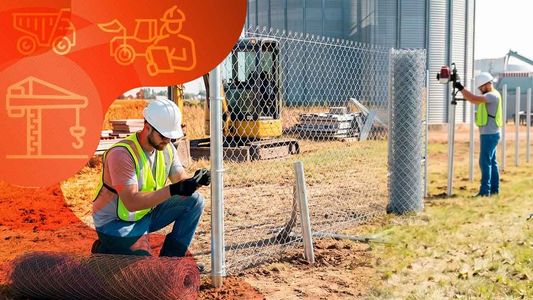
Installing a mesh chain-link fence is one of the most durable and cost-effective ways to secure your property, yard, or commercial space.
Whether you're a seasoned DIYer or tackling your first fencing project, this guide walks you through everything you need: from planning and materials to the final tension wire.
Key Takeaways
- Good soil assessment and proper post depth are the foundation of a lasting fence
- Always use concrete or stones to anchor posts in soft or sandy ground
- Tension is everything: a sagging mesh is a failing mesh
- Quality materials outlast cheap alternatives every time
Why Choose Mesh Chain-Link Fencing?
Mesh chain-link fencing offers a winning combination of strength, visibility, and affordability. It's widely used for residential yards, sports courts, commercial properties, and crowd control. Unlike installing panel fencing, mesh fencing is highly adaptable to uneven terrain and can cover large areas with fewer structural limitations.
- Before You Start: Planning Your Fence Layout
- Good planning prevents costly mistakes. Before buying a single post, take these steps:
- Define the purpose of your fence. Are you keeping pets in, defining a boundary, or securing a commercial area? This determines the height, mesh gauge, and post spacing you'll need.
- Survey your area. Walk the perimeter and map out exactly where the fence will run. Look for obstacles such as tree roots, buried water lines, electrical conduits, or heavy debris that could interfere with installation.
- Evaluate your soil. Ideal ground is firm and moderately dense. Avoid areas where the soil is extremely soft (the fence may lean or topple in strong winds) or excessively rocky (making it nearly impossible to dig deep enough). If you're working with sandy or soft soil, plan to use concrete to anchor your posts securely.
- Check local regulations. Before breaking ground, verify fence height restrictions (like OSHA), setback requirements, and permit rules in your municipality.
Materials You'll Need
Gather all materials before starting. Running out mid-project wastes time and can compromise the structure. Here's your complete checklist:
| Posts & Caps | Structural Hardware | Mesh & Anchoring | Tools |
|
|
|
|
Step-by-Step To Install a Wire Mesh Fence
Step 1 — Calculate Your Material
This is the most critical planning step for mesh fencing due to the number of individual components involved.
Calculate:
- Number of end posts (usually 2, more if the fence meets walls or structures)
- Number of corner posts based on your layout
- Number of gate posts (2 per gate opening)
- Total linear footage of mesh needed
- Number of intermediate posts (typically spaced every 8–10 feet)
Buying 5–10% extra mesh is a smart buffer for miscalculations or future repairs.
Step 2 — Mark and Dig Your Post Holes
Mark each post location with a stake or spray paint. Then dig the holes so that approximately ¾ of the post sits above ground and ¼ is buried underground.
If you're anchoring with concrete or rocks, dig the holes about 3 times wider than the post diameter to allow room for the anchoring material.
Step 3 — Set the Posts
For concrete anchoring:
- Add a 4-inch layer of gravel at the bottom of each hole for drainage
- Insert the post
- Pour concrete around it and allow it to cure fully before continuing
For stone anchoring:
Pack stones tightly around the base of the post. Natural gaps between stones allow adequate drainage without the need for a separate gravel layer.
Step 4 — Check for Plumb
Before the concrete sets (or before fully packing stones), use a level on two sides of each post to confirm it's perfectly vertical. A post that's even slightly off-plumb will cause alignment issues along the entire fence run.
Step 5 — Attach Tension Bands and Post Caps
Once your posts are secure and cured, slide tension bands onto all end, corner, and gate posts. Then install the post caps on top of every post — end post caps on terminal posts, and intermediate post caps (which have loops for the top rail) on all middle posts.
Step 6 — Install the Top Rail
Feed the top rail through the loops on each intermediate post cap, working from one end to the other. Connect it into the rail end fittings at the end posts and secure everything tightly with nuts and bolts. The top rail provides the upper structural backbone for your mesh.
Step 7 — Position the Mesh Roll
Lay the roll of chain-link mesh on the ground parallel to one of your end posts. Don't unroll it all at once — you'll pull it along as you go in the next steps.
Step 8 — Attach Mesh to the First End Post
Weave a tension bar vertically through the end loops of the mesh. Then bolt the tension bar to the tension bands on your end post. The bottom of the mesh should sit approximately 2 inches above the ground to prevent rust and ground contact deterioration.
Step 9 — Unroll and Secure the Mesh
Begin walking the mesh roll along the fence line, unrolling as you go. Keep the mesh taut to avoid sagging. As you pass each intermediate post, use fence ties to attach the mesh to the top rail, spacing ties approximately every 2 feet.
Step 10 — Tension and Secure the Far End
When you reach the opposite end post, weave a temporary tension bar into the mesh about 3 feet from the end. Use a fence puller (come-along) to pull the mesh tight.
Once the mesh is taut with no visible sag:
- Weave the permanent tension bar through the very end of the mesh
- Bolt it to the tension bands on the end post
- Remove the temporary tension bar
- Proper tension is key — the mesh should feel firm when pressed but not be warped or bowed.
Step 11 — Secure Fence Ties Along the Top Rail
Go back and add fence ties along the full length of the top rail at 2-foot intervals. This step locks the mesh in place and prevents it from shifting or lifting over time.
Step 12 — Add Bottom Tension Wire (Optional but Recommended)
For extra stability and to prevent animals or people from lifting the bottom edge, weave a tension wire horizontally through the lower portion of the mesh along the entire fence length. Secure it firmly at each end post.
Common Mistakes to Avoid
- Skipping soil assessment — soft or rocky ground leads to leaning posts
- Inadequate post depth — shallow posts fail in wind or physical pressure
- Not using a level — misaligned posts create a wavy, unprofessional finish
- Too much slack in the mesh — always tension the mesh before final attachment
- Forgetting drainage — always use gravel at the base of concrete-set posts
Your Fence Is Only As Good As Your Materials
Installing a mesh chain-link fence is a moderately challenging DIY project, but with the right materials and a methodical approach, the result is a long-lasting boundary that serves your property for decades.
Low-grade posts, thin mesh, or poorly manufactured hardware can compromise the entire structure — no matter how carefully you install it. That's why working with a trusted supplier like SONCO matters. Explore SONCO's temporary fence options for flexible, high-quality solutions built for job sites, events, and beyond.
Trend now

Temporary Fence Rental Lifespan: Tips to Make Your Fence Last Longer
Learn the storage habits that extend the lifespan of every panel.

How to Manage a Crowd at an Event: A Complete Guide for Event Managers
Learn how to manage a crowd at an event with proven strategies for planning, signage, barriers, staffing and more.

How to Install a Mesh Chain-Link Fence: Step-by-Step Guide
Learn how to install a mesh chain-link fence step by step.
Search for category
Request a quote now! 