






OSHA Barricade Color Codes Explained: What's Required vs. Best Practices

SONCO, July 17, 2024
Read more about the author


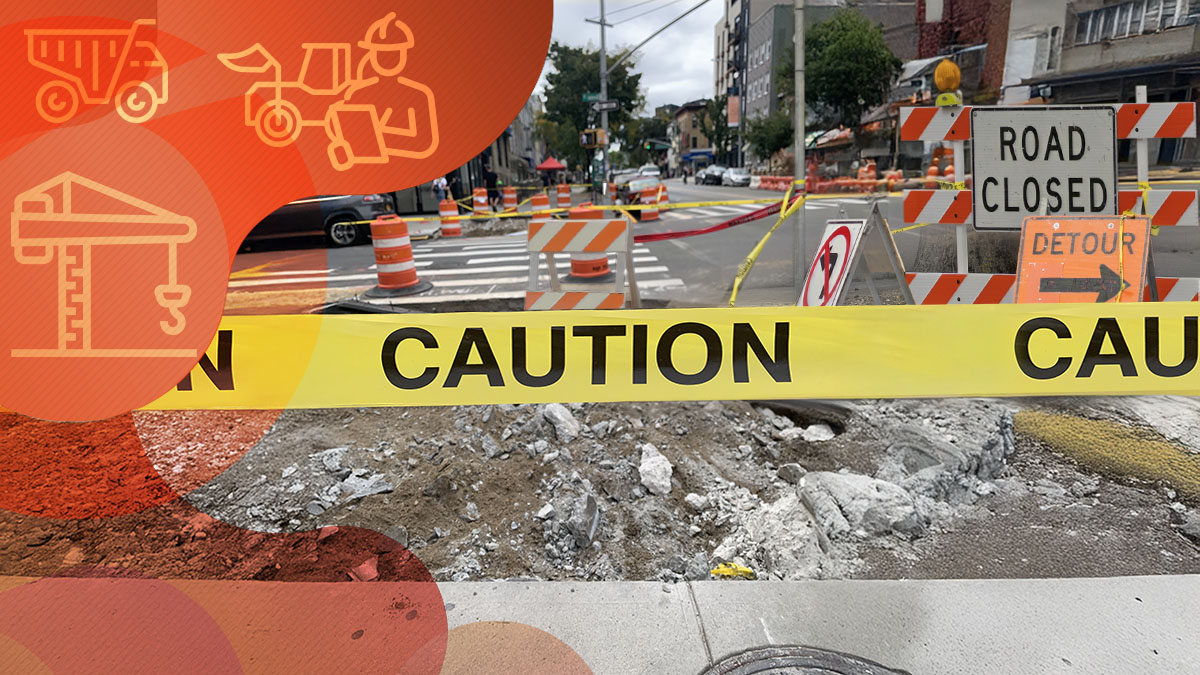
Color is one of the simplest ways to communicate safety, but only when it’s used correctly.
On a busy jobsite, the wrong color can send the wrong message, leading to confusion, accidents, or compliance issues.
OSHA (Occupational Safety and Health Administration) and ANSI (American National Standards Institute) color codes define which colors should be used for different types of hazards, helping workers quickly identify dangerous areas or required actions.
Consistent safety barricade colors help crews recognize danger zones, navigate active areas, and work with confidence.
Let's break down what each OSHA-approved color means and how to apply it across your site setup.
Key Takeaways
- OSHA legally requires only two safety colors: red for danger and yellow for caution, under 29 CFR 1910.144.
- Orange, blue, green, and purple come from ANSI Z535.1, a voluntary standard, not a federal requirement, though following it is considered best practice.
- Ignoring proper color coding can lead to OSHA citations and fines, with penalties for serious violations reaching over 16,000 dollars each.
Real Costs When OSHA Color Codes Are Ignored
Companies that fail to follow basic safety standards face real risks. For example:
- OSHA reports that the maximum penalty for a serious violation rose to $16 550 per violation in 2025.
- OSHA’s public record shows hundreds of enforcement cases each year with fines well above $40 000, especially when hazards are not properly marked or barricaded.
When safety barricades and tape use the wrong colors or inconsistent codes, companies expose themselves to citations, lost productivity, and reputational damage, not just equipment costs.
Understanding OSHA Color Codes for Safety Barricades
In this section, we’ll focus on the crowd control barriers themselves, from tape to steel barriers, and how to properly apply these color codes to meet safety regulations.
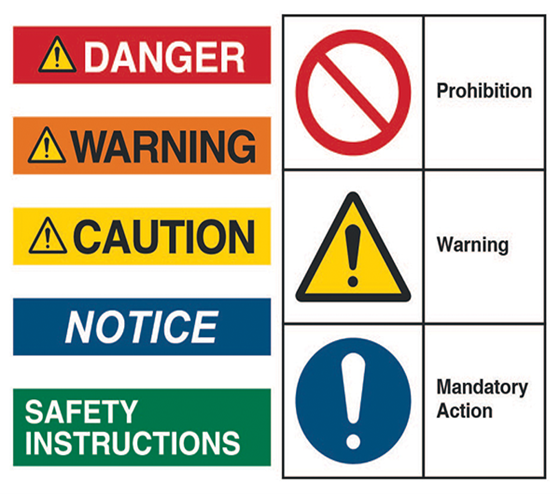
Color
Meaning
Typical Use on Barricades
Red
Danger
Used on barricades marking high-risk areas like electrical hazards or excavation sites.
Orange
Warning
Indicates active work zones, equipment operations, or machinery in motion.
Yellow
Caution
Marks areas with low-level risks, like slippery surfaces or low-flying objects.
Blue
Information
Used for areas where mandatory actions or informational signs are needed (e.g., hard hat zones).
Green
Safety
Indicates safe zones such as first aid stations or emergency exits.
Note: Red and yellow are the only colors OSHA legally mandates. Orange, blue, green, and purple follow ANSI best practice and are not independently required by federal law. See the next section for the full explanation.
For a broader look at how OSHA color codes fit into your jobsite safety, check out our guide on Safety Signs and Symbols. We cover how signs and colors work together to keep your crew safe and compliant.
OSHA vs. ANSI: What is actually required
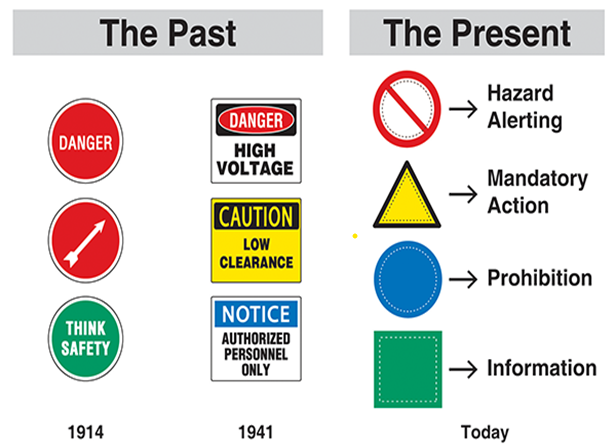
"OSHA color code" and "ANSI color code" get used interchangeably, but they are not the same thing, and knowing the difference matters if you're trying to stay compliant rather than just consistent.
OSHA's rule is narrow. Under 29 CFR 1910.144, OSHA legally requires only two colors: red for danger, fire protection equipment, and emergency stops, and yellow for caution and physical hazards like tripping or striking hazards. That's the entire mandatory federal color rule.
Everything else, including orange, blue, green, and purple, comes from a separate, voluntary standard.
ANSI fills in the rest. The American National Standards Institute's Z535.1 standard expands the system to six colors: red for Danger, orange for Warning, yellow for
Caution, green for Safety instructions and first aid, blue for Notice and mandatory action, and purple for radiation and other specialty hazards.
ANSI Z535 is not an OSHA regulation. It's a consensus standard, but OSHA has said that following it is a reasonable way to meet the General Duty Clause, and it's what most manufacturers, barricade suppliers, and safety sign makers build their products around.
That's why a barricade tape lineup will include orange and blue options even though OSHA itself never mandates those colors.
One more thing worth flagging. OSHA proposed removing 1910.144 from the books entirely in 2025 as part of a broader deregulatory push, arguing the rule was narrow in scope and largely duplicated by other standards.
As of mid 2026, OSHA reversed course and is retaining the rule, concluding that color coding still matters for worker protection in emergencies. The red and yellow requirement remains in force.
Bottom line for jobsites: treat red and yellow as non negotiable under federal law. Treat orange, blue, green, and purple as strongly recommended best practice that keeps you aligned with ANSI, easier to audit, and consistent with what OSHA inspectors are trained to expect, even though they are not independently mandated by 1910.144.
Real-World Applications of OSHA Color Codes on Jobsites
Now that you know what each OSHA color means, let’s look at how they work in real situations.
Whether you’re running a construction site, managing an event, or handling public works, using the right color codes keeps everyone safe and helps your site stay compliant.
Using Colors to Mark Hazard Zones
- Red: Marks areas with immediate danger, such as open pits, exposed wiring, or high-voltage zones. It’s clear to everyone that these areas are off-limits.
- Yellow: Used to mark areas where there’s a risk of minor injury, like uneven ground or tripping hazards. It's a simple but effective way to keep people aware of low-level risks.
Controlling Access with Barricades and Tape
- Orange or Yellow barricades work best for active work zones with moving equipment or ongoing construction. They help keep workers and visitors aware of what’s happening nearby.
- Red barricades and warning signs should be used in restricted zones, like chemical storage or other high-risk areas. These are clear “do not enter” signals for everyone on site.
Creating a Safe and Organized Jobsite
Color-coded systems aren’t just about keeping people safe, they also help keep your jobsite organized and running well.
- Pair your barricade tape with the actual barriers to make it easy for workers to spot hazards and know where they can go.
- Signs alongside barricades help drive the message home: red means danger, yellow means caution, and green means it’s safe to enter.
Using OSHA-approved color coding on barricades and signs makes it clear for your team to identify risks and move around the site safely.
According to Ryan Masotti, SONCO’s specialist in construction projects:
“I often see customers needing extra guidance in identifying all the areas that need proper signaling. We’re here to make sure every corner is covered.”
SONCO Products That Keep Your Site OSHA-Compliant
At SONCO, we know that the right solutions make all the difference in keeping your jobsite safe and compliant with OSHA standards.
Here’s how our products help you stay on track:
Traffic Barricades (Types 1, 2, and 3)
From the lightweight, stackable Type 1 to the customizable Type 2, and the heavy-duty, high-visibility Type 3, each is designed for easy setup, durability, and safety.
Traffic Tape
These high-visibility tapes stand up to any weather, so they stay visible on your jobsite, keeping everyone aware of what's off-limits.
Water Barriers
Create temporary traffic control and secure perimeters around hazardous or flooded areas.
Metal Barricades
A go-to solution for high-risk or restricted areas on jobsites, also designed for crowd control and high-visibility hazard zones.
Custom Barricade Covers
Custom Barricade Covers can be personalized with your branding, informative signs, and safety messages to improve site communication and safety.

Additional Products for OSHA Jobsite Compliance
Traffic Barrels & Drums
Mark hazards and keep vehicles safely away from high-risk areas on the jobsite.
Traffic Safety Signs
Provide clear warnings to workers and the public, guiding traffic and promoting safe movement around the site.
Temporary Fence Panels
Part of your perimeter control, these can be color-coordinated to create a unified safety system.
Why Professionals Trust SONCO
With over 50 years of experience, SONCO provides reliable, high-quality safety products that meet industry standards.
Our products are designed for durability, easy setup, and clear communication on the jobsite.
Professionals trust us because we offer fast delivery, a wide range of customizable solutions, and unmatched customer support.
Request a Quote Today
Need safety barricades or products fast, or need help picking the right ones?
Get in touch with us today by emailing sales@soncostore.com or calling 866-254-6510.

Frequently Asked Question
Is ANSI Z535 required by OSHA?
No. ANSI Z535.1 is a voluntary consensus standard. OSHA only legally mandates red and yellow under 29 CFR 1910.144, but following the full ANSI system is considered a best practice and is widely used to demonstrate good faith compliance.
What color barricade tape should I use for a construction site?
It depends on the hazard level. Yellow caution tape is standard for general work zones and low level risks. Red danger tape is reserved for immediate, high risk hazards like open excavations, electrical hazards, or restricted areas where entry should be treated as off limits.
What's the difference between red and yellow barricade tape?
Red signals an immediate, high severity hazard, the kind of situation where entry could result in serious injury or death. Yellow signals a lower level risk that still requires caution, such as uneven ground, ongoing maintenance, or general work zone awareness.
Does orange or yellow work better for active work zones?
Both are used, and the right choice depends on your site's internal standard. Yellow is the OSHA recognized caution color. Orange, an ANSI Warning color, is often used specifically to flag active equipment or machinery hazards, since it visually separates equipment in motion from general caution areas.
What does blue barricade tape or signage mean?
Blue is an ANSI Notice color, used for property damage only situations or mandatory action instructions, like required PPE, rather than personal injury hazards. It is not part of OSHA's mandatory red and yellow rule.
Is OSHA's color code rule still in effect in 2026?
Yes. OSHA proposed eliminating 29 CFR 1910.144 in 2025 as part of a broader deregulatory review, but ultimately decided to retain it, citing its role in worker protection during emergencies. The red and yellow requirement remains active.
What happens if a jobsite doesn't follow proper color coding?
It can lead to OSHA citations, fines, and increased liability if a hazard wasn't clearly marked, separate from the safety risk itself. Penalty amounts are updated periodically, so always double check for the current maximums rather than relying on a fixed figure.
Trend now

Temporary Fence Rental Lifespan: Tips to Make Your Fence Last Longer
Learn the storage habits that extend the lifespan of every panel.

How to Manage a Crowd at an Event: A Complete Guide for Event Managers
Learn how to manage a crowd at an event with proven strategies for planning, signage, barriers, staffing and more.

How to Install a Mesh Chain-Link Fence: Step-by-Step Guide
Learn how to install a mesh chain-link fence step by step.
Search for category
Request a quote now! 