



Ships in 2 business days
Item 1 of 6

1 of 6




Ship To




Rentals

Sign In

Quote

Cart

Filter


1 of 6
1 of 6


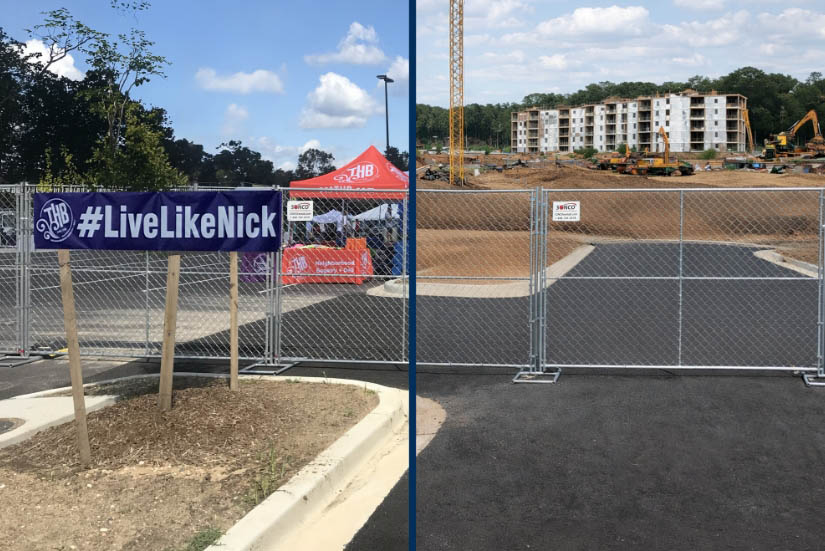
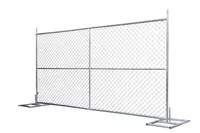
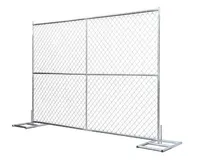
Temporary fencing helps create easily movable boundaries for construction sites, events, and restricted zones. Choose from chain-link fence panels, welded wire panels, or post-driven fencing—and add gates, screening, and stability accessories to match changing site conditions.
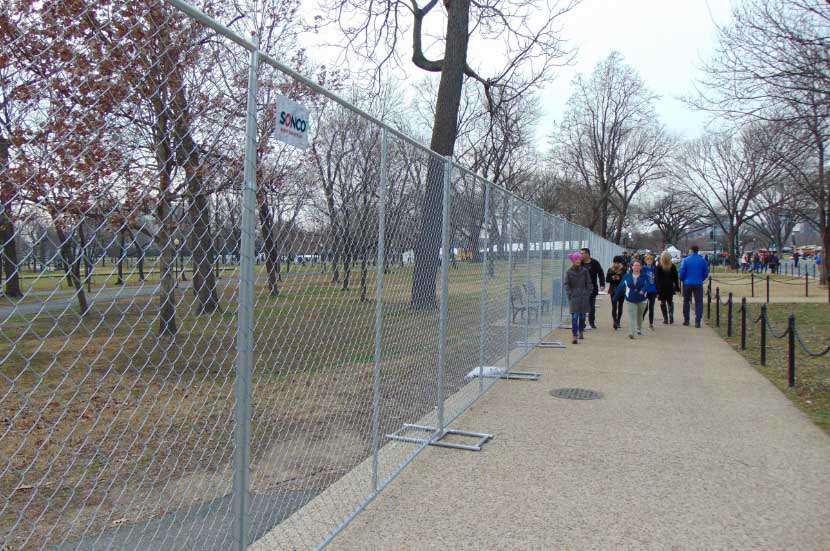
When projects involve changing environments, temporary activity zones, or public exposure, defining space becomes a recurring operational challenge.
Rather than acting as permanent infrastructure, temporary fencing is commonly seen in environments where layouts shift, access points change, and project duration varies. Temporary fencing systems and temporary fence panels provide a flexible way to define boundaries, signal restricted zones, and support construction site fencing as conditions evolve.
Temporary fencing is used in operational scenarios where boundaries need to be clear, flexible, and easy to reconfigure across active jobsites, public-facing areas, and short-term projects.

|
Temporary fencing is commonly used on active jobsites to separate work zones, equipment, and materials from surrounding public areas. |

|
Temp fences are used to define entry paths, service routes, and checkpoints. Add gates to support access control as perimeter needs shift. |

|
In places where pedestrian or vehicle movement overlaps with temporary work, portable temporary fencing creates separation between active areas and circulation paths. |

|
Chain-link fences are commonly used at events, staging areas, and short-term setups where layouts must remain adjustable over time. |
Temporary fencing systems are typically chosen when perimeter clarity, duration, and operational exposure calls for more than cones or visual markers but does not go as far as permanent fencing.
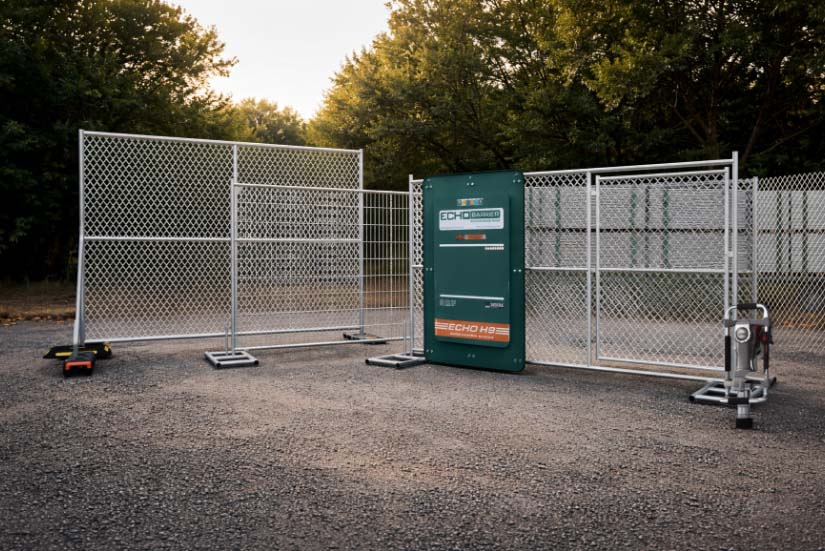
• Temporary Fence Panels — Modular perimeters for fast setup and reconfiguration.
• Temporary Fence Gates — Control entry points for crews, vehicles, and deliveries.
• Welded Wire Panels — Another temporary panel option for defined boundaries.
• Post-Driven Fencing — Driven posts for semi-temporary perimeters and stability.
• Screening & Accessories — Add privacy, wind control, and reinforcement components.
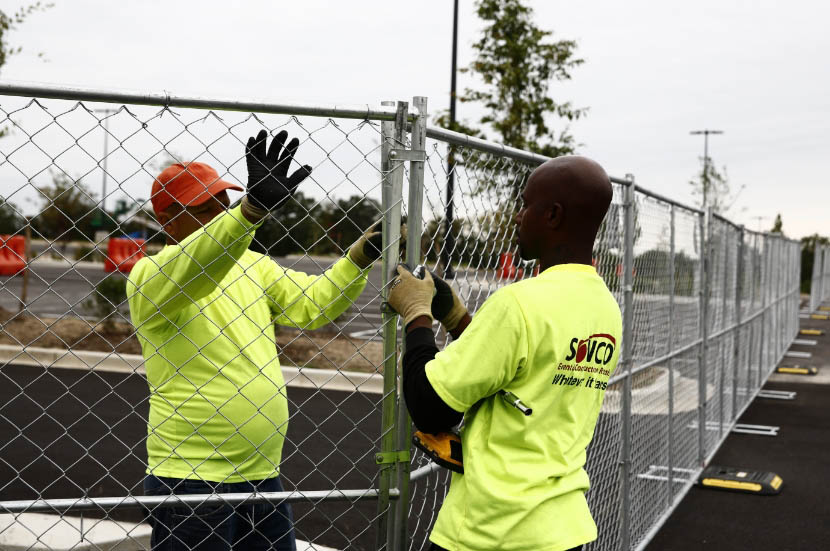
Temporary fencing is used when a project requires defined boundaries but does not justify permanent installation. It offers a practical middle ground between open access and fixed fencing, supporting short- to medium-term needs without long-term structural commitment.
1. When should temporary fencing be considered?
A: Temporary fencing should be considered whenever a project requires defined boundaries, controlled access, or short- to medium-term perimeter control, particularly on construction sites, event sites, and public-facing worksites.
2. What is the difference between temporary fencing and permanent fencing?
A: Temporary fencing is designed for adaptable deployment and removal, supporting changing site layouts and project-based needs (including temporary fence panels and post-driven temporary fencing). Permanent fencing is intended for long-term installation and structural perimeter protection.
3. Are temporary fence panels used only for construction?
A: No. While construction fencing is a primary use case, temporary fence panels are also used for events, facility maintenance, public works, and temporary infrastructure projects.
4. Can temporary fencing support site security?
A: Yes. Temporary security fencing is commonly implemented to restrict unauthorized access, protect equipment, and define jobsite boundaries during active operations — often supported by temporary fence gates and clearly marked entry points when needed.
5. Does temporary fencing replace other safety systems?
A: No. Temporary fencing works alongside signage, traffic control solutions, and crowd control systems to create a coordinated site management approach (and may include screening where visibility control is required).
6. Is temporary fencing suitable for extended project durations?
A: Yes. Temporary fence systems are used for both short-term and long-duration projects (including applications where temporary fencing rental is evaluated for longer timelines) where perimeter flexibility and modular deployment are required over time.
Need help planning your layout or setup? Start with these guides.

|
This content hub brings together planning considerations, common use cases, and FAQs for temporary fencing—helping teams choose the right setup for jobsites, events, and public-facing areas. |

|
This guide provides a practical walkthrough of how temporary chain-link fencing is typically set up—covering panels, connections, stabilization, and common site scenarios. |