Traffic barricades help guide vehicles, separate work zones, close lanes, and protect pedestrians in temporary traffic control applications. Whether you're managing a parking lot or closing a highway lane, selecting the correct barricade helps improve safety while meeting project specifications.
Type 1 Traffic Barricades
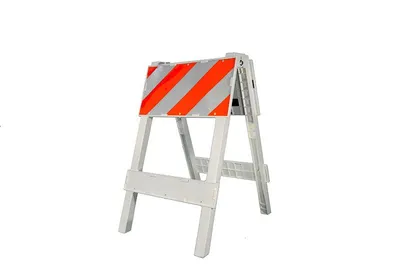
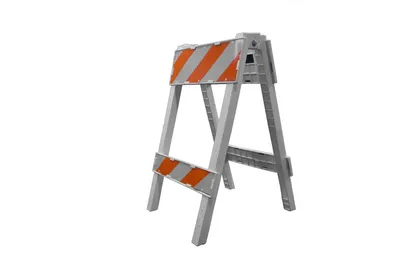
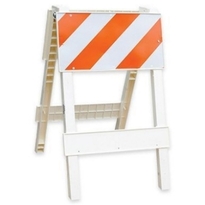
Type 1 barricades feature a single reflective rail and are commonly used for pedestrian guidance, sidewalk closures, and other low-speed traffic control applications. Typical applications include:
Sidewalk closures
Parking lots
Schools
Building entrances
Facility maintenance
Type 2 Traffic Barricades
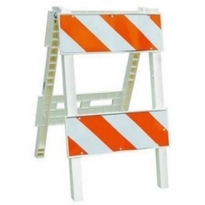
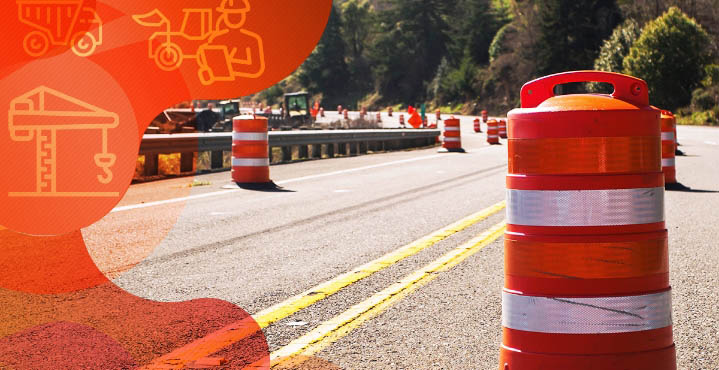
Type 2 barricades include two reflective rails for greater visibility and are commonly used on road construction projects, utility work, and temporary lane closures. Typical applications include:
Road construction
Utility projects
Municipal maintenance
Lane shifts
Nighttime work zones
Type 3 Traffic Barricades
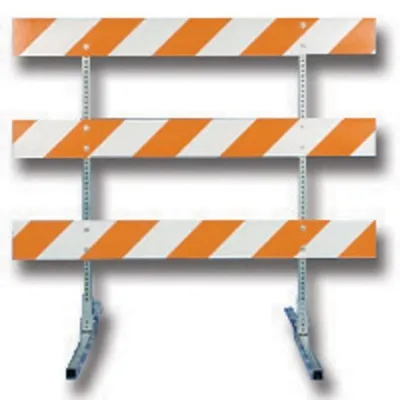
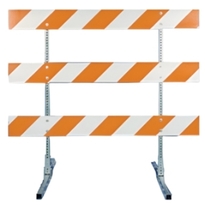
Type 3 barricades provide the highest level of visibility within the barricade family and are typically used for full road closures, highway maintenance, and major traffic diversions. Typical applications include:
Road closures
Highway construction
Bridge maintenance
Long-term work zones
Traffic detours
Vehicle Mitigation Systems for High-Security Applications
The Block Axess Vehicle Mitigation System is designed to help prevent unauthorized vehicle access to pedestrian areas, public spaces, and critical infrastructure. Unlike traditional traffic barricades, which primarily provide visual guidance, Block Axess creates a physical vehicle mitigation barrier for temporary and semi-permanent installations.
Common applications include:
Public events and festivals
Pedestrian plazas
Government facilities
Critical infrastructure
Features to Consider When Choosing a Traffic Barricade
Different traffic control projects require different barricade features. Consider the following when selecting a barricade for your application.
Barricade Type
Type 1, Type 2, and Type 3 barricades are designed for traffic guidance, lane closures, and work zones. For vehicle mitigation, the Block Axess may be a better solution.
Reflective Sheeting
Reflective sheeting improves nighttime visibility. Depending on the application, choose Engineer Grade or High Intensity Prismatic reflective sheeting.
Portability
Plastic barricades are lightweight and easy to transport, while stackable designs help reduce storage space between projects.
Stability
Some models accept ballast or sandbags to improve stability during windy conditions or in areas with passing traffic.
Traffic Barricades FAQs
1. What's the difference between Type 1, Type 2, and Type 3 traffic barricades?
A: The primary differences are the number of reflective rails, visibility, and intended application. Type 1 barricades are commonly used in low-speed environments, Type 2 barricades provide increased visibility for roadway work, and Type 3 barricades are designed for road closures and major traffic diversions.
2. When is a Type 3 barricade required?
A: Type 3 barricades are typically specified for full road closures and other situations where maximum visibility is required. Always follow local traffic control plans and project specifications.
3. What's the difference between Block Axess and a traffic barricade?
A: Traffic barricades are used to direct vehicles and pedestrians through work zones, road closures, and other temporary traffic control areas. Block Axess is a vehicle mitigation barrier designed to help prevent unauthorized vehicle access, making it a better choice when physical protection is required in addition to traffic control.
4. Are SONCO traffic barricades MUTCD compliant?
A: Many SONCO traffic barricades meet MUTCD requirements and are available with MASH-accepted configurations where applicable. Refer to individual product pages to confirm compliance for your project.
5. What is HIP reflective sheeting?
A: HIP (High Intensity Prismatic) reflective sheeting provides greater nighttime visibility than standard Engineer Grade sheeting and is commonly specified for roadway traffic control applications.
6. Can traffic barricades be used at events?
A: Yes. Type 1 barricades are frequently used to guide pedestrians, restrict access, and define temporary walkways at festivals, sporting events, schools, and public venues.
7. Can traffic barricades be purchased in bulk?
A: Yes. SONCO offers bundle quantities for contractors, municipalities, rental companies, and other high-volume buyers. Contact our sales team for project pricing and availability.