






Types of Barricades: 12 Options and When to Use Each

Andrew Hession, February 4, 2020
Read more about the author


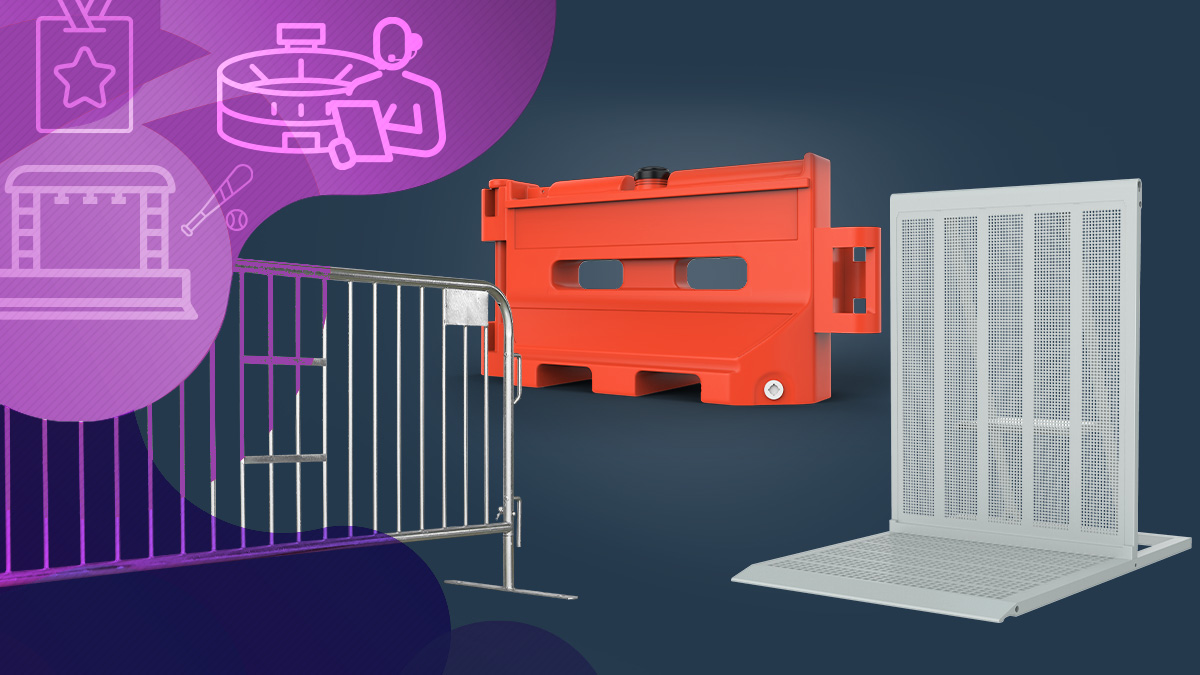
Barricades are one of the most versatile tools in traffic and crowd safety. From highway work zones to outdoor concerts, the right barricade keeps people safe, directs traffic flow and defines perimeters clearly.
But not all barricades are the same. The wrong choice for your application can mean poor visibility, inadequate protection or a setup that falls apart under pressure. Understanding the different types of barricades and what each one is designed for is the first step to getting it right.
In this guide we cover all 12 types of barricades, when to use each one and how to choose the right option for your specific situation.
Key Takeaways
- There are 12 main types of barricades: pedestrian, traffic (Type I-III), expanding length, A-frame, jersey barriers, plastic, vinyl event fencing, concert/stage, traffic barrels, and traffic cones.
- A barricade signals, a barrier protects. Barricades mark boundaries and redirect movement. Barriers are heavier and built to absorb or redirect vehicle impact. Many setups use both.
- For crowd control, use interlocking pedestrian barricades. Choose bridge feet for uneven ground (grass, gravel) and flat feet for hard, flat surfaces.
- Choose by four factors: vehicles or pedestrians, duration, weather and ground conditions, and appearance and budget.
What Happens When You Choose the Wrong Barricade?
The wrong barricade fails in predictable ways, and most failures come from a mismatch between the barricade and the job. Here are four common ones:
- A traffic cone in a windy work zone. Cones are the fastest way to mark a boundary, but strong wind can knock them over, and they offer no physical resistance to vehicles or determined pedestrians.
- Flat feet barricades on grass or gravel. Flat feet perform best on pavement, concrete floors and indoor venues. On uneven ground, bridge feet give the stability an outdoor crowd line needs.
- A Type I barricade on a high-speed road. With one reflective rail, Type I is built for low-speed areas like parking lots. Road closures and high-speed environments call for Type III, where maximum visibility is essential.
- A barricade where you need a barrier. Lightweight barricades tell people where not to go. They aren't designed to absorb a vehicle collision, which is the job of jersey barriers.
The right choice comes down to what you're controlling, how long the setup stays, and the conditions on site. The 10 types below cover the full range, from a cone you can carry with one hand to a filled jersey barrier that redirects a vehicle on impact.
Barricade vs Barrier: What's the Difference?
The terms barricade and barrier are often used interchangeably, but they have distinct meanings in traffic and crowd safety.
A barricade is primarily a visual and physical signal. It marks boundaries, redirects movement and communicates to people and drivers that an area is restricted or that they need to change direction. Barricades are typically lighter, more portable and easier to deploy than barriers.
Barriers are heavier, more robust and typically used in higher risk environments like highway medians and high speed work zones.
The simplest way to think about it is this: a barricade tells people where not to go, while a barrier physically stops them or protects against impact. In many situations both are used together as part of a complete traffic or crowd control setup.

1. Pedestrian Barricades
Pedestrian barricades are designed for crowd control wherever large numbers of people gather. Concerts, sporting events, festivals, parades and public demonstrations are all common applications.
They're lightweight, interlocking and easy to reposition as crowd dynamics change. Most connect end to end to form a continuous barrier line of any length, and swing gates can be added at access points for controlled entry and exit.

1.1 Bridge Feet Barricades
Bridge feet barricades have feet on both ends rather than a flat base, giving them greater stability on uneven ground. This makes them the preferred choice for outdoor events where the terrain is unpredictable, such as concerts, fairs, festivals and sporting events held on grass or gravel.
Like most pedestrian barricades, bridge feet barricades interlock end to end to form a continuous barrier line of any length and are compatible with swing gates for controlled access points.

1.2 Flat Feet Barricades
Flat fleet barricades perform best on hard, flat surfaces like pavement, concrete floors and indoor venues. They feature interlocking hooks on both ends to connect into a continuous barrier line of any length.

1.3 Barricade Swing Gates
Barricade swing gates are designed to work alongside interlocking barricade systems, providing controlled access points without breaking the barrier line. Without a gate, creating an opening in an interlocking barricade setup requires dismantling part of the line, which is disruptive and time consuming.
Worker gates, vehicle gates and machinery gates are the most common types, each sized for their specific purpose. For any setup where people or vehicles need to move in and out of a controlled area regularly, a swing gate is an essential addition to the barricade system.
2. Traffic Barricades
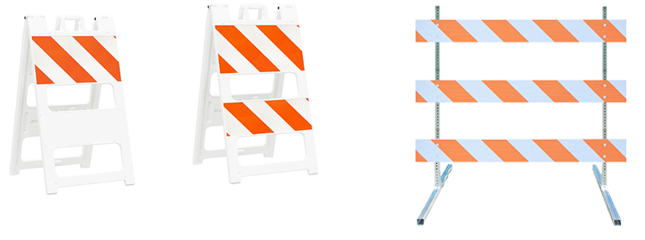
Traffic barricades are used to stop, direct or reroute vehicle traffic and cordon off dangerous areas. Under MUTCD guidelines they are classified into three types based on size, visibility and application.
2.1 Type I Traffic Barricades
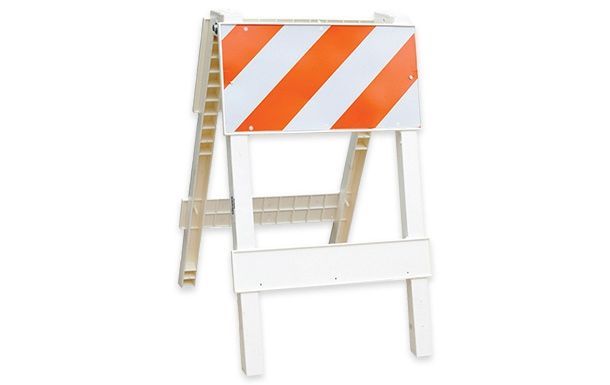
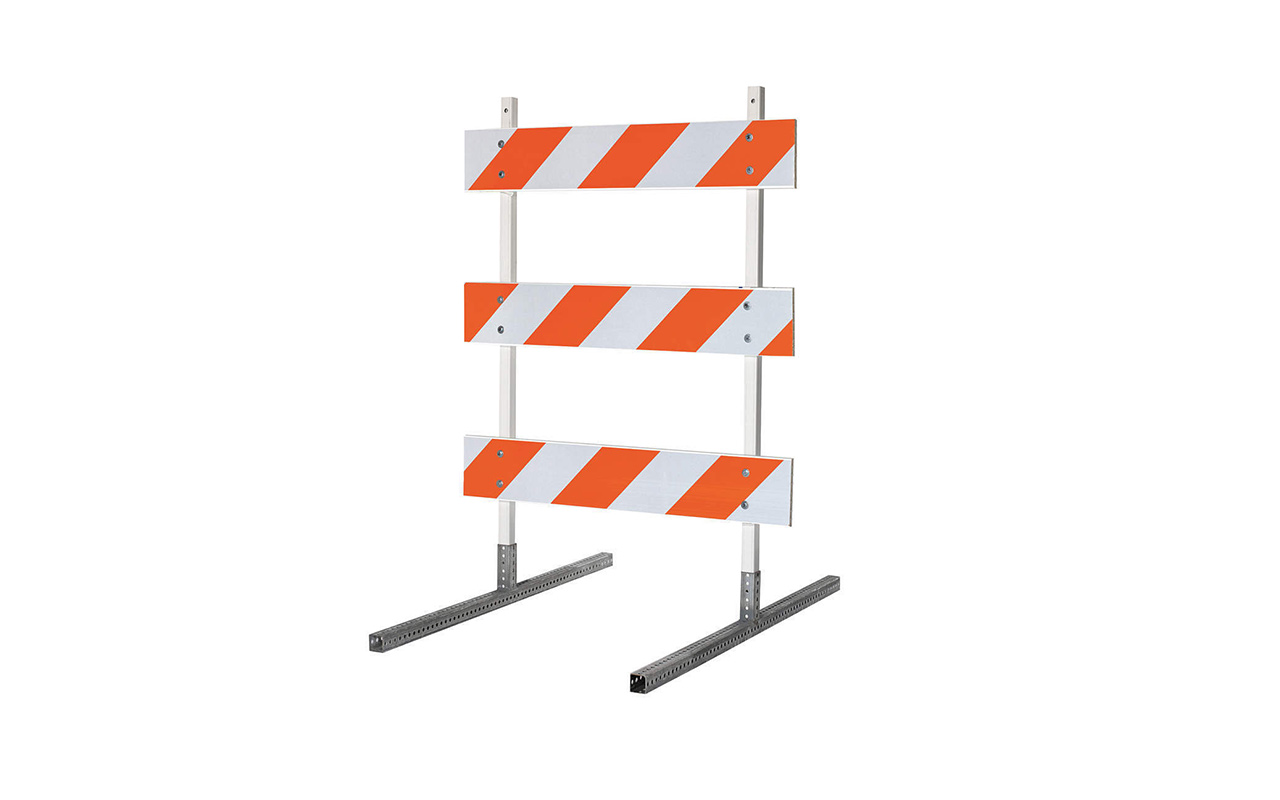
Type I traffic barricades are the smallest and lightest option, used for low speed environments like parking lots and pedestrian areas. They feature one reflective rail and are typically used for short term daytime applications.
2.2 Type II Traffic Barricades
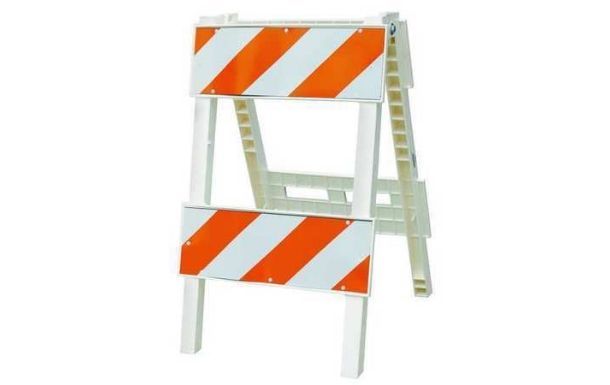
Type II traffic barricades are larger and more visible than Type I, with two reflective rails. They are commonly used for roadway work zones and nighttime applications where higher visibility is needed.
2.3 Type III Traffic Barricades
Type III traffic barricades are the largest and most visible of the three, with three reflective rails. They are used for road closures, detours and high speed environments where maximum visibility is essential.

3. Expanding Length Barricades
Expanding and retracting barricades are a versatile option for situations where the required barrier length or angle changes frequently. Using intuitive pull levers, they can be extended or retracted quickly without tools, making them ideal for fast deployment and compact storage.
They work well for cordoning off cleaning areas, maintenance zones, factory floors and construction sites where the perimeter needs to be adjusted regularly throughout the day.

4. A-frame Barricades
A-frame barricades are shaped like a triangular sawhorse with a reflective plank across the middle. Their wide, stable base makes them well suited for flat, even surfaces like construction sites, parking lots and pedestrian walkways.
They are lightweight, easy to set up and highly visible thanks to the reflective tape on the crossbar. A-frame barricades are a common choice for short term road work, utility maintenance and sidewalk closures.

5. Jersey Barriers
Jersey barriers are heavy duty plastic or concrete barriers used to separate lanes of traffic and protect workers in active construction zones. Their distinctive profile is designed to redirect vehicles on impact, minimizing damage and reducing the risk of vehicles crossing into restricted areas.
Plastic jersey barriers are typically filled with water or sand on site to add weight and stability. The heavier the barrier, the better it absorbs and redirects vehicle impact.
Concrete jersey barriers are used for permanent or long term installations where maximum protection is required.

6. Plastic Barricades
Plastic barricades are a lightweight, versatile option for situations that require quick deployment and easy transport. Like jersey barriers, they can be filled with water or sand to increase stability and impact resistance when needed.
They are available in a variety of colors, making them a popular choice for branded event setups, sports venues and retail environments where aesthetics matter alongside safety. Many plastic barricades also feature display panels that can be used for advertising or event signage.

7. Vinyl Event Fencing
Vinyl event fencing is designed for situations where aesthetics matter as much as crowd control. Unlike standard barricades, vinyl fencing creates defined areas at events while blending naturally into the surroundings.
Common applications include outdoor weddings, festivals, corporate events and venue perimeters where a clean, professional appearance is a priority. The legs swivel to accommodate uneven ground, making it a practical choice for outdoor settings where the terrain isn't perfectly flat.
8. Concert and Stage Barricades
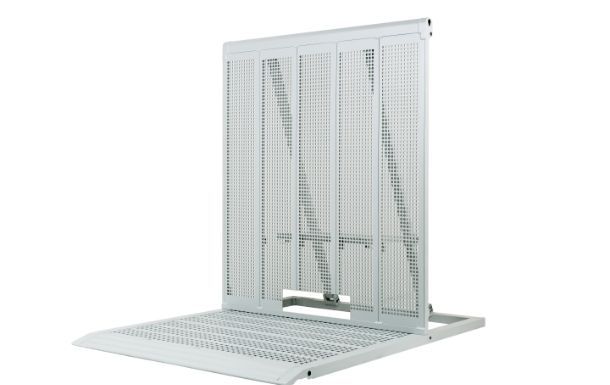
Concert and stage barricades, also known as mojo barriers, are specifically engineered for live events where sustained crowd pressure against a stage is expected. Their angled base deflects crowd force downward rather than absorbing it directly, reducing the risk of the barrier toppling under load.
They create a buffer zone in front of the stage where security personnel can operate safely, and are a standard requirement at music festivals, stadium concerts and large scale live events.

9. Traffic Barrels
Traffic barrels, also called channelizer drums, are the heavy duty alternative to traffic cones. Their larger size and greater visibility make them the preferred choice for busy roads and high speed environments where standard cones might go unnoticed.
Most traffic barrels feature a weighted rubber base that keeps them stable in high winds and inclement weather. They also have a top mount for attaching reflective devices or blinking lights, making them highly effective for nighttime work zone applications.

10. Traffic Cones
Traffic cones are the most recognizable and widely used barricade type. Lightweight, stackable and universally understood, they are the fastest way to mark a temporary boundary, redirect foot traffic or indicate a hazard.
Common applications include marking potholes, setting up drop-off zones, delineating parking areas and creating temporary boundaries at events. Their portability makes them easy to store and transport, fitting multiple cones in the trunk of a standard vehicle.
The main limitation of traffic cones is stability. Strong winds can knock them over and they offer no physical resistance to vehicles or determined pedestrians. For situations requiring more than a visual signal, a heavier barricade type is recommended.
| Barricade type | Best for | Controls | Key feature |
| Pedestrian barricades | Concerts, festivals, parades, sporting events | People | Interlocking, lightweight; bridge feet for uneven ground, flat feet for hard surfaces |
| Traffic barricades (Type I-III) | Work zones, road closures, detours | Vehicles | 1-3 reflective rails, classified under MUTCD |
| Expanding length barricades | Maintenance zones, factory floors, cleaning areas | Adjustable perimeters | Extends and retracts with pull levers, no tools |
| A-frame barricades | Short-term road work, sidewalk closures | Vehicles and people | Wide, stable base; reflective crossbar |
| Jersey barriers | Lane separation, worker protection | Vehicles | Redirects impact; plastic (water/sand-filled) or concrete |
| Plastic barricades | Branded events, sports venues, retail | People | Colors, display panels, fillable for stability |
| Vinyl event fencing | Weddings, festivals, corporate events | People | Blends into surroundings; swivel legs for uneven ground |
| Concert and stage barricades | Music festivals, stadium concerts | People | Angled base deflects crowd pressure |
| Traffic barrels | Busy roads, high-speed and night work zones | Vehicles | Weighted base, top mount for lights |
| Traffic cones | Quick, short-term marking | Vehicles and people | Portable, stackable, but low stability |
How to Choose the Right Type of Barricade
With 10 types available, the right choice comes down to a few key questions.
Are you controlling vehicles or pedestrians?
Vehicle applications require heavier, more impact resistant options like jersey barriers, traffic barrels and Type II or III traffic barricades. Pedestrian applications can use lighter options like pedestrian barricades, flat feet or bridge feet barricades.
How long does the setup need to stay in place?
Short term situations favor lightweight, fast deploying options like traffic cones, A-frame barricades and expanding length barricades. Longer term setups benefit from heavier, more stable options like jersey barriers or plastic barricades filled with water or sand.
What are the weather and ground conditions?
For outdoor events on uneven terrain, bridge feet barricades offer the best stability. For high wind environments, weighted options like traffic barrels and filled jersey barriers outperform lighter alternatives.
Does appearance matter?
For branded events, retail environments or venues where aesthetics are a priority, plastic barricades with display panels or vinyl event fencing are the most appropriate choices.
What is your budget?
Traffic cones and A-frame barricades are the most affordable entry point. Jersey barriers and anti scale fencing represent a higher investment but provide significantly greater protection and durability.

Types of Barricades: Frequently Asked Questions
What is a barricade?
A barricade is a physical device used to block, redirect or control the movement of vehicles, pedestrians or both.
Barricades range from lightweight plastic devices set up in seconds to heavy-duty concrete and steel structures, and are used in construction zones, road closures, concerts, sporting events and public demonstrations. Their primary purpose is safety.
What is the most common type of barricade?
Traffic cones are the most widely used barricade due to their portability, low cost and universal recognition. For heavier duty applications, pedestrian barricades and jersey barriers are among the most commonly deployed options at events and construction sites respectively.
What is the difference between a barricade and a barrier?
A barricade is primarily a visual and directional signal that marks boundaries and redirects movement. A barrier is designed for physical impact protection, absorbing or redirecting vehicle force. In many setups both are used together as part of a complete traffic or crowd control system.
What are Type I, II and III barricades?
Type I, II and III are classifications for traffic barricades under MUTCD guidelines. Type I is the smallest, used for low speed environments. Type II has greater visibility and is used for roadway work zones. Type III is the largest and most visible, used for road closures and high speed environments.
How do I know which type of barricade I need?
The key factors are whether you are controlling vehicles or pedestrians, how long the setup needs to stay in place, ground and weather conditions, and your budget. Our guide above covers each of these factors in detail to help you make the right choice.
Can barricades be used indoors?
Yes. Flat feet barricades, expanding length barricades, plastic barricades and retractable belt stanchions are all commonly used indoors for queue management, event crowd control and facility safety applications.
Do barricades need to meet any compliance standards?
Traffic barricades used on public roadways must meet MUTCD guidelines for reflectivity, size and placement. Crowd control barricades used on private property have more flexibility but following industry best practices is always recommended.
Find the Right Barricade for Your Project
With 50 years of experience in traffic safety and crowd control, SONCO supplies barricades and barriers for every application, from highway work zones and emergency road closures to concerts, sporting events and government installations.
We carry all 10 types of barricades covered in this guide, with bulk pricing, bundle deals and fast delivery anywhere in the United States. Our safety specialists are available for free consultations to help you identify the right products for your specific situation.
Browse our full barricade catalog or request a free quote today.
Trend now

Temporary Fence Rental Lifespan: Tips to Make Your Fence Last Longer
Learn the storage habits that extend the lifespan of every panel.

How to Manage a Crowd at an Event: A Complete Guide for Event Managers
Learn how to manage a crowd at an event with proven strategies for planning, signage, barriers, staffing and more.

How to Install a Mesh Chain-Link Fence: Step-by-Step Guide
Learn how to install a mesh chain-link fence step by step.
Search for category
Request a quote now! 