






Type 1 Barricade: Uses, Applications, and Limitations

SONCO Safety Marketplace, May 9, 2024
Read more about the author


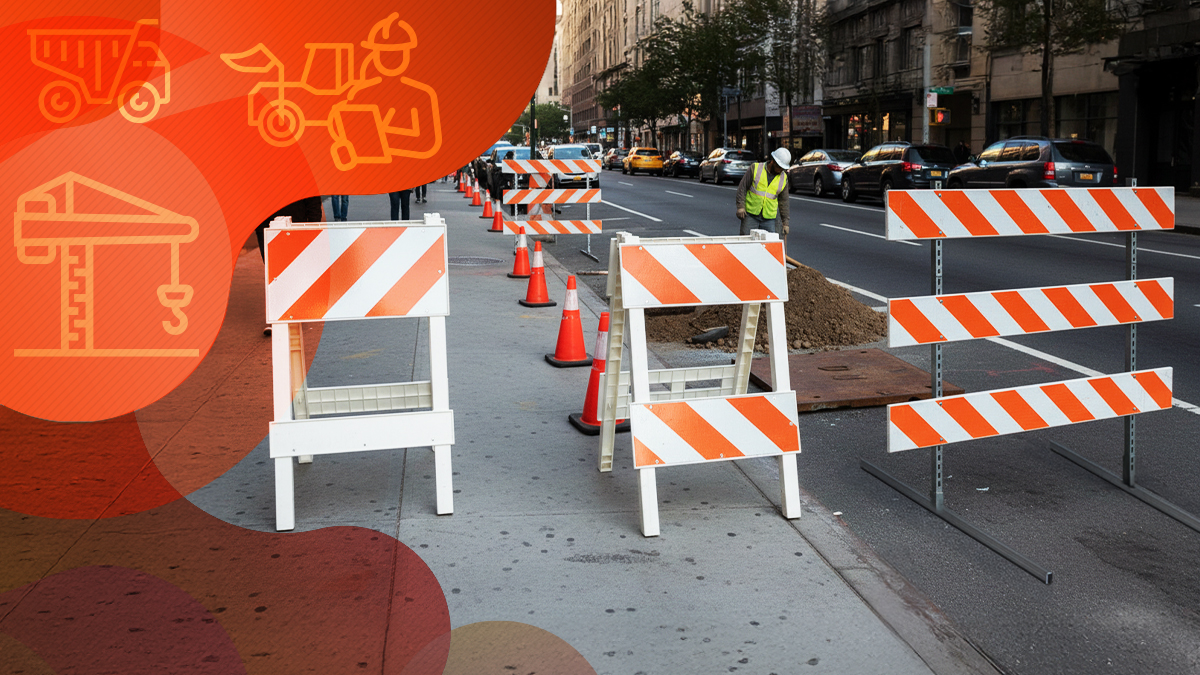
A Type 1 barricade is a portable, single rail barricade used to guide traffic and pedestrians through low speed, low risk work zones. It is one of the most common devices on job sites because it is light, quick to set up, and easy to move as conditions change.
This guide explains what Type 1 barricades are, where they work best, how they compare to Type 2 and Type 3 barricades, what the MUTCD requires, and how to decide whether a Type 1 barricade is the right fit for your project.
Key Takeaways
- A Type 1 barricade has one reflective rail and is built for short duration, low speed traffic control.
- It works well for construction zones, utility work, pedestrian detours, and parking lots.
- It is not designed for high speed roads, full road closures, or situations that call for physical impact protection.
- The MUTCD (Section 6K.07) sets the striping, reflectivity, and sizing standards that Type 1 barricades must meet.
- Choosing the right barricade type comes down to traffic speed, work duration, and how much visibility the site requires.
What Are Type 1 Barricades Used For?
Type 1 barricades are chosen when a crew needs visible, easy to reposition traffic control rather than a heavy duty barrier. Below are the situations where they are most commonly deployed.
Construction Work Zones
On short term construction sites, Type 1 barricades mark the edges of a work area and alert drivers and pedestrians to changes ahead. Their light weight makes them easy to shift as the work zone expands or contracts throughout the day.
Utility and Maintenance Work
Utility crews working near sidewalks, meters, or access points use Type 1 barricades to cordon off a small area without disrupting the surrounding traffic flow. Because the setup can be broken down quickly, these barricades suit jobs that only take a few hours.
Pedestrian Detours
When a sidewalk or walkway needs to be closed temporarily, Type 1 barricades redirect foot traffic around the hazard. They provide a clear visual cue without creating a heavy physical obstruction, which helps maintain an accessible path for pedestrians.
Parking Areas and Low Speed Roads
In parking lots, campus roads, and other low speed environments, Type 1 barricades mark off reserved spaces, closed lanes, or restricted zones. Because vehicle speeds are already low, a single rail barricade provides enough warning.
Temporary Access Control
During setup, breakdown, or short pauses in a project, Type 1 barricades act as a quick access control point. Crews can place and remove them in minutes, which is useful for events or phases that only last part of a day.

Type 1 vs Type 2 vs Type 3 Barricades
Traffic barricades are classified by type based on visibility, rail count, and intended traffic conditions. Understanding these differences helps determine when a Type 1 barricade is appropriate and when a more substantial option is required.
Type 1 barricades
- One reflective rail
- Designed for low-speed, low-risk areas
- Commonly used for pedestrian guidance and short-duration work
Type 2 barricades
- Two reflective rails
- Provide increased visibility for moderate traffic conditions
- Often used where drivers need earlier visual warning
Type 3 barricades
- Three reflective rails
- Intended for road closures and higher-speed environments
- Used to clearly signal lane or access shutdowns
While all three are considered temporary traffic control devices, only Type 1 barricades are suited for situations where quick setup and minimal visual obstruction are priorities.
All three barricade types are classified under the MUTCD based on rail count and intended use. The table below breaks down the differences.
| Feature | Type 1 Barricade | Type 2 Barricade | Type 3 Barricade |
| Reflective rails | One | Two | Three |
| Best for | Low speed, low risk zones | Moderate traffic, added visibility | Road closures, high speed roads |
| Typical duration | Short term | Short to medium term | Long term |
| Visibility | Basic | Improved | Maximum |
| Common use | Pedestrian guidance, minor lane shifts | Urban streets, nighttime work | Highway construction, full closures |
Understanding these differences helps crews match the barricade to the actual risk level of the site instead of defaulting to whatever is on hand.

When Should You Use a Type 1 Barricade?
A Type 1 barricade is the right choice when the following conditions apply:
- Traffic conditions: Vehicle speeds are low and drivers have time to react.
- Roadway type: The area is a parking lot, sidewalk, campus road, or low volume street rather than a highway.
- Duration: The work is short term and the barricade will likely be moved or removed the same day.
- Visibility: A single reflective rail provides enough warning for the surrounding conditions.
- Pedestrian needs: The main goal is guiding foot traffic rather than stopping vehicles.

When Should You Not Use a Type 1 Barricade?
- Type 1 barricades fall short in situations that call for stronger visual warning or physical protection. Avoid relying on them when:
- High speed environments: Vehicles are moving fast enough that drivers need earlier warning than a single rail provides.
- Road closures: The project requires a full closure that must be unmistakable from a distance.
- Higher visibility requirements: The site needs multiple reflective rails to be seen at night or in poor weather.
- Physical vehicle protection: The work zone needs a barrier that can resist contact, not just guide traffic visually.
- In these cases, a Type 2 or Type 3 barricade, or a heavier duty barrier, is the safer option.

What Does the MUTCD Say About Type 1 Barricades?
The Manual on Uniform Traffic Control Devices (MUTCD) governs how Type 1 barricades are built and used. Section 6K.07 defines a barricade as a portable or fixed device with one to three rails, used to control road users by closing, restricting, or delineating a portion of the right of way.
Key requirements include:
- Section 6K.07: This section covers Type 1, Type 2, and Type 3 barricades and sets the baseline rules for construction and markings.
- Road user flow: Barricades must be arranged so drivers and pedestrians can clearly understand where they are permitted to travel.
- Conventional roads and urban streets: Type 1 barricades are generally intended for these lower speed contexts rather than freeways or expressways.
- Reflectivity: Rail stripes must be alternating orange and white retroreflective stripes sloping downward at a 45 degree angle in the direction road users are meant to pass, and the stripes are typically 6 inches wide (4 inches on rails shorter than 36 inches).
- Visibility: The minimum rail length for Type 1 and Type 2 barricades is 24 inches, while Type 3 barricades require a minimum of 48 inches.
- Ballasting: Barricades must be weighted or anchored so wind and passing traffic do not knock them out of position.
Because MUTCD guidance can be adopted or modified at the state level, it is worth checking your local department of transportation standards before finalizing a traffic control plan.

How to Choose the Right Traffic Barricade
Selecting between Type 1, Type 2, and Type 3 barricades comes down to a handful of practical questions:
- How fast is traffic moving through or near the work zone?
- Will the barricade need to be moved multiple times during the project?
- Is the work expected to last hours, days, or weeks?
- Do drivers need early warning, or is the barricade close enough to be seen in normal driving conditions?
- Does the site require physical protection, or is visual guidance enough?
Answering these questions before ordering equipment helps avoid the common mistake of using a Type 1 barricade in a situation that calls for a higher level of control.
Type 1 Barricade FAQs
What is a Type 1 barricade?
A Type 1 barricade is a portable traffic control device with a single reflective rail, used to guide vehicles and pedestrians through low speed, short duration work zones.
How is a Type 1 barricade different from a Type 2 barricade?
A Type 1 barricade has one reflective rail, while a Type 2 barricade has two. The extra rail on a Type 2 barricade gives drivers more advance warning, making it better suited to moderate traffic or nighttime conditions.
Can a Type 1 barricade be used on a highway?
No. Type 1 barricades are built for low speed roads, sidewalks, and parking areas. Highways and other high speed roadways call for Type 3 barricades or heavier duty barriers.
Does a Type 1 barricade meet MUTCD standards?
Yes, as long as it follows the striping, reflectivity, and sizing rules in MUTCD Section 6K.07. Always confirm your equipment meets current federal and state requirements before deployment.
How long can a Type 1 barricade stay in place?
Type 1 barricades are designed for short term use. For projects that run longer than a few days or involve changing site conditions, a Type 2 or Type 3 barricade is usually a better fit.
Type 1 Barricades from SONCO
With 50 years of experience supporting jobsite safety and traffic control needs, SONCO provides access to jobsite-ready barricades, backed by fast delivery and personalized assistance to help teams select the right barricade type for their specific conditions.
Type 1 barricades are part of SONCO’s broader barricade offering, supporting projects that require adaptable traffic control without heavy-duty restrictions.

Trend now

Temporary Fence Rental Lifespan: Tips to Make Your Fence Last Longer
Learn the storage habits that extend the lifespan of every panel.

How to Manage a Crowd at an Event: A Complete Guide for Event Managers
Learn how to manage a crowd at an event with proven strategies for planning, signage, barriers, staffing and more.

How to Install a Mesh Chain-Link Fence: Step-by-Step Guide
Learn how to install a mesh chain-link fence step by step.
Search for category
Request a quote now! 