






Concert Crowd Control: Preventing Dangerous Situations

Nick Criscuolo, January 5, 2022
Read more about the author


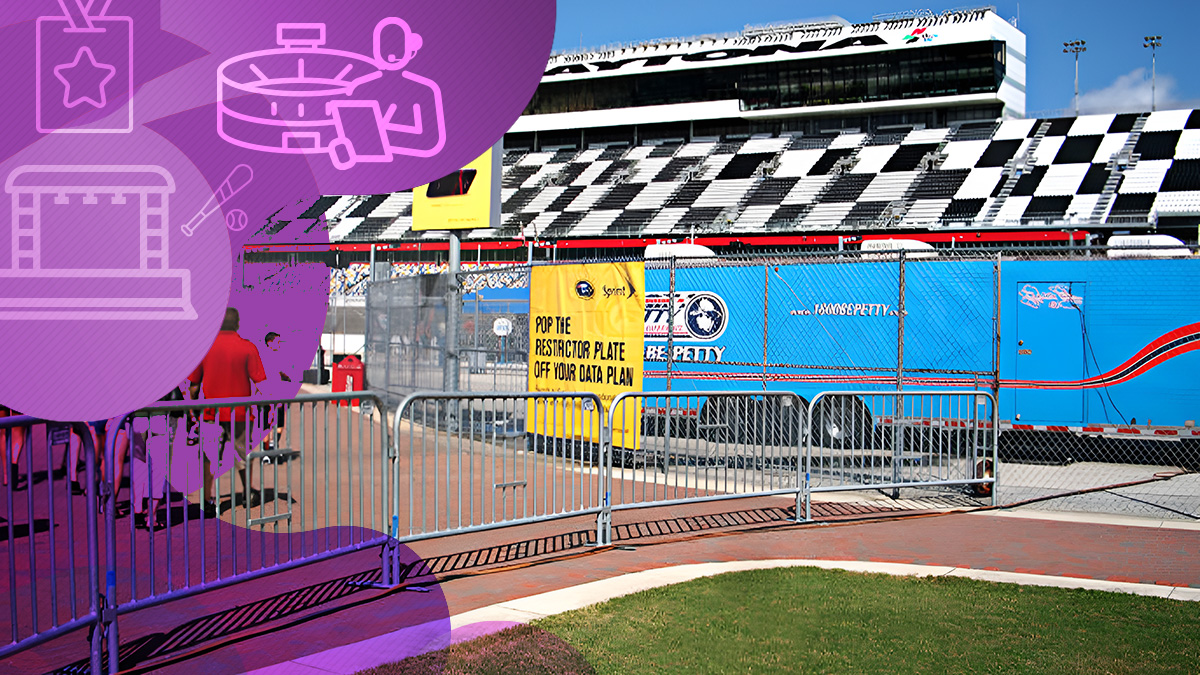
The safest way to manage a concert crowd is to plan for it before doors open: set capacity by the usable space in each zone, map entries, exits and emergency routes, staff high-risk areas such as the front of the stage with trained people, and monitor crowd density throughout the show.
Then match your equipment to the pressure each area will face, with concert barricades at the stage, steel barricades for separation and flow, retractable belt barriers for low-pressure queues and temporary fencing for perimeters.
This guide explains the difference between crowd management and crowd control, walks through building a crowd management plan, and shows how to choose the right barriers for each part of your event.
Key Takeaways
- Crowd safety starts in the planning stage. Venue capacity, entry flow, exit routes and high-risk zones should be mapped before doors open.
- Crowd management (prevention) and crowd control (intervention) work together. Relying on control alone means you are already reacting to a problem.
- Front-of-stage areas, entry points and bottlenecks carry the highest risk of surges and crushing. They deserve the most staffing, monitoring and engineered equipment.
- Different barriers do different jobs. Concert barricades, steel barricades, belt barriers and temporary fencing should be matched to the crowd pressure they will face.
- Clear roles, reliable communication and emergency access keep a small incident from becoming a major one.
Why Is Crowd Control Important at Concerts?
A concert brings thousands of people toward one focal point: the stage. Excitement, alcohol, social media buzz and the desire to get closer all push in the same direction. When density rises and exits are limited, a crowd can stop behaving like individuals and start moving as one mass.
The main risks at concerts include:
- High-density crowds. When space per person shrinks, people lose the ability to move freely, step back or fall safely.
- Audience surges. A sudden push, a fan reaction to a surprise moment or a gate breach can send force through the crowd in seconds.
- Bottlenecks. Narrow entries, concession lines, stairs and exits where streams of people merge create pressure points.
- Restricted movement. If people cannot move away from pressure, injuries from crushing or compression become possible, and medical teams cannot reach those in distress.
The 2021 Astroworld festival remains the clearest industry reminder. A crowd of roughly 50,000 surged toward the stage, ten people died and hundreds were injured. Crowd safety specialists who reviewed the event plan pointed to gaps in how the area in front of the stage was managed, along with difficulty reaching people who needed help. The lesson for organizers is straightforward: the front-of-stage crowd needs its own plan, its own staffing and the right equipment.

Crowd Management vs. Crowd Control at Concerts
The two terms are often used interchangeably, but they describe different stages of event safety.
Crowd management is prevention and ongoing monitoring. It covers everything done to anticipate problems and keep people moving safely: estimating attendance, designing entry and exit flow, planning barrier layouts, scheduling staff and watching crowd density throughout the event.
Crowd control is intervention. It refers to the measures used when a situation is escalating or an emergency has occurred, such as stopping the show, opening additional exits, deploying security to relieve pressure or separating groups with physical barriers.
A simple way to see the difference:
|
Stage |
Crowd management (prevention and monitoring) |
Crowd control (intervention) |
|
Before the event |
Capacity limits, layout design, staffing plan, barrier placement |
Pre-agreed procedures for stopping a show or opening exits |
|
During the event |
Watching density at the barricade, gates and concessions; adjusting flow |
Pausing the performance, directing people away from pressure points |
|
In an emergency |
Early warning signs reported to the command point |
Evacuation, medical access, physical separation of groups |
Strong events invest most of their effort in the first column. The more you manage, the less you have to control.
How to Create a Concert Crowd Management Plan
A written plan turns good intentions into assigned responsibilities. Work through the steps below for every show, and revisit them whenever the lineup, capacity or layout changes.
Assess Venue Capacity and Audience Size
Start with realistic numbers, not best-case ones. Compare ticket sales and expected walk-up attendance against the venue's approved capacity and the usable space in each zone, since the floor in front of the stage will fill much faster than the rest of the venue.
Also consider who is attending. A high-energy headliner with a young, standing audience creates different pressure than a seated show with an older crowd. Time of day, weather, alcohol sales, early arrivals and general admission versus assigned seating all change how people will move and where they will gather.
Map Entrances, Exits, and Emergency Routes
Walk the full journey an attendee takes: parking or transit, the approach, security screening, ticket scanning, the venue floor, restrooms and back out again. Look for places where streams of people converge or slow down.
Size entry queues so lines do not spill into roads or build pressure against gates.
Keep exit routes clearly marked, unobstructed and sufficient for the full crowd.
Reserve dedicated lanes for emergency vehicles, medical teams and staff movement.
Plan for the walk out, since everyone leaves at once after the final song.
For more on moving people and vehicles around the venue, see our guide to managing traffic flow in and around your venue.
Identify High-Risk Areas
Mark the zones where density and pressure are most likely to build:
Front-of-stage areas. The barricade line and the first rows of a general admission floor see the most crowd pressure.
Standing-room sections. Without defined space per person, they fill unevenly.
Narrow corridors and stairways. Anywhere width drops suddenly can create a choke point.
Concession and restroom areas. Lines here often cut across main walkways.
Each high-risk area should have a named staff lead, a barrier plan and a way to report density problems quickly.
Establish Staff Roles and Communication
Organizers, security, medical teams, production crews and venue staff all see different parts of the event. A plan only works if they can share what they see and act on it.
Name a single decision-maker with authority to stop the show or change the layout.
Give front-of-stage staff a direct line to production so a performance can be paused quickly.
Use common radio channels and agreed phrases for crowd distress.
Brief every team before doors open, including volunteers and temporary staff, on their zone, their reporting line and the emergency plan.

How to Prevent Crowd Surges at Concerts
Surges rarely come out of nowhere. They are usually preceded by signs that trained staff can spot and act on.
- Understand audience movement. Know where people will want to go and when: toward the stage as the headliner starts, toward exits and concessions at set breaks.
- Monitor congestion continuously. Assign spotters, elevated vantage points or camera coverage to watch density at the barricade, gates and walkways, not just the stage.
- Control entry. Fans who rush gates or arrive in a wave push the problem into the venue. Well-planned queues, staggered entry and secure perimeters help.
- Communicate early. Use screens, announcements and the artist to ask people to step back or make space. Messages work best when they come before the crowd is in trouble.
- Intervene early. If density is building, relieve it by opening space, redirecting flow or pausing the show. Waiting for visible distress is too late.
- Keep corridors open. Crowds in distress need somewhere to go, and responders need a path to reach them.
Our broader guide on how to manage a crowd at an event covers planning, signage and staffing in more detail.
Choosing the Right Crowd Control Barriers for Concerts
No single barrier fits every part of a venue. The right choice depends on the level of crowd pressure, the purpose of the line and whether it must be portable, branded or highly secure. Match the equipment to the job.
Concert Barricades for Front-of-Stage Protection
The front-of-stage line takes the heaviest load at any show, so it calls for equipment built specifically for it. Concert barricades are designed to separate the audience from the stage and to hold up under leaning, pushing and surge forces that standard barriers are not intended to handle.
Professional planning matters as much as the product. Layout, curvature, spacing, anchoring, the security pit between barricade and crowd, and access points for medical response should all be designed and installed by people who understand crowd dynamics. SONCO's concert barricade has achieved Clark Event Safety certification, reflecting the growing expectation that front-of-stage equipment be tested for the loads it will face.
Steel Barricades for General Crowd Management
Steel metal barricades, often called bike rack barricades, are the workhorses of event crowd management. They are portable, quick to deploy and easy to link together.
Common uses include:
Perimeter control around the venue and key areas
Separating audience zones, such as general admission from VIP
Shaping pedestrian flow at entrances, exits and crossing points
Creating lanes for staff, vendors and emergency access
Steel barricades are best for guiding and separating people. They are not a substitute for purpose-built front-of-stage barricades where heavy crowd pressure is expected. Layout, spacing and connections affect how well they hold, so how to set up metal barricades for safe and effective crowd control deserves as much attention as the choice of barricade.
Retractable Belt Barriers for Queues
Retractable belt barriers are well suited to ticketing lines, merchandise queues, VIP check-ins and controlled access points where crowd pressure is low. They are quick to reconfigure, visually clean and good at keeping lines orderly.
Because they rely on a lightweight belt and post, they are meant to guide people, not to hold back a pushing crowd. Use them where people are cooperative and the goal is order, and pair them with sturdier barriers wherever pressure could build. Understanding what a stanchion is and how its posts and belts work makes it easier to choose the right setup for each queue.
Temporary Fencing for Event Perimeters
Temporary fence panels define the outer edge of an event and keep restricted areas restricted. They are useful for:
- Event boundaries and controlled entry points
- Backstage, production and artist areas
- Vendor, loading and equipment zones
- Keeping non-ticketed spectators away from the venue
Fence screens and signage can add privacy, branding and wayfinding. For more ideas, see our post on event signage that improves safety and branding.
FAQs
What barriers are used for front-of-stage crowd control?
Purpose-built concert barricades are designed for the pressure at the stage line. General steel barricades are better suited to separating zones and guiding flow elsewhere in the venue.
How can organizers prevent crowd surges?
Plan entry flow, monitor density throughout the show, communicate early, keep escape and response corridors open and be ready to pause the performance when pressure builds.
Where can I get concert barricades and crowd control equipment?
SONCO supplies concert barricades, steel barricades, belt barriers and temporary fencing. Request a quote to get started.
Protect Your Concert with the Right Crowd Control Equipment
Safe concerts are the result of planning, trained people and equipment that matches the risk. Start with a clear crowd management plan, monitor density throughout the show and choose barriers built for the pressure they will face, from front-of-stage barricades to perimeter fencing and queue management.
SONCO has 50 years of experience helping venues, promoters and event teams protect people. Explore SONCO concert barricades or request a quote to talk through the right setup for your next event.

Trend now

Temporary Fence Rental Lifespan: Tips to Make Your Fence Last Longer
Learn the storage habits that extend the lifespan of every panel.

How to Manage a Crowd at an Event: A Complete Guide for Event Managers
Learn how to manage a crowd at an event with proven strategies for planning, signage, barriers, staffing and more.

How to Install a Mesh Chain-Link Fence: Step-by-Step Guide
Learn how to install a mesh chain-link fence step by step.
Search for category
Request a quote now! 