


High School Crowd Control Plans: A Guide to Safer School Events

Giuliano Marinho, March 17, 2020
Read more about the author


A Friday night football game, a graduation ceremony, and a spring festival all bring more people onto a school campus than it sees on a normal day. Students, parents, grandparents, alumni, and visitors arrive at the same time, often through the same gates, and often without knowing where to go.
That is why crowd management matters for high schools. Without a plan, small problems such as a crowded entrance, a blocked walkway, or an unmonitored door can quickly become safety concerns. A good plan covers how people enter, move, wait, and leave, and which areas stay off-limits. It also decides which equipment keeps all of that organized.
Key Takeaways
- A written plan protects everyone on campus. Students, staff, families, and visitors are safer when entry, seating, and exit routes are decided before the event, not during it.
- Gates, queues, and restricted areas need the most attention. Entrances, concession lines, locker rooms, and fields are where congestion and unauthorized access start.
- Smooth crowd flow comes from planning the full route. Map the path from parking to seating to exit, and use barriers and signage to keep paths open and streams of people from crossing.
- People matter as much as products. Assigned staff posts, clear communication, and rehearsed emergency procedures make the equipment work.
Why Do High Schools Need a Crowd Control Plan?
School events are community events, and the people attending range from young children to older adults. A plan protects all of them, and it also makes the event run better.
- Safety for everyone on site. Students, staff, parents, and visitors all share the same spaces. Clear pathways and defined zones reduce crowding, pushing, and confusion.
- Managing large gatherings. A stadium or gym can fill quickly. Knowing how many people are coming, and where they will go, keeps attendance from outgrowing the space.
- Preventing congestion and unauthorized access. Bottlenecks usually form at gates, ticket tables, and concession lines. Barriers and clear signage keep people moving and keep them out of areas they shouldn't enter.
- Protecting athletic facilities and school property. Fields, tracks, press boxes, and equipment storage need to stay protected during an event.
- Improving event organization. When guests know where to enter, queue, sit, and exit, the event feels more professional, and staff spend less time answering the same questions.
What Should a High School Crowd Control Plan Include?
A solid plan is simple enough for volunteers to follow and detailed enough to cover the main risks. These six elements are a good starting point.
Expected Attendance and Venue Capacity
Start with the numbers. Estimate how many people will attend based on past events, ticket sales, or RSVPs, then compare that with the capacity of the venue. Your local fire marshal or district facilities office can confirm capacity limits. Planning for a realistic peak, such as a rivalry game or graduation day, helps you choose the right amount of equipment.
Entrances, Exits, and Emergency Access
Decide which gates and doors will be open, which will be exit-only, and which must stay clear at all times. Emergency routes should never be blocked by barricades, vendor tables, or parked vehicles. Mark every route clearly so staff and guests can find it without asking.
Pedestrian Traffic and Crowd Flow
Map how people will travel from the parking lot to the entrance, through concessions and restrooms, and back out again. Look for spots where streams of people cross paths, because that is where congestion starts. Guiding the flow with barriers, cones, and signage keeps lines orderly and walkways open.
Restricted Areas and Access Control
Locker rooms, equipment rooms, offices, fields, and backstage areas should be clearly marked as off-limits to the general public. Schools can borrow proven event venue security practices here: barricades and fencing create a visible boundary, and a staff member or volunteer at each access point reinforces it.
Staff Responsibilities and Communication
Assign each person a specific post, such as gate monitor, parking attendant, or queue manager. Everyone should know who to call if something goes wrong. Radios or a group messaging channel help the team respond quickly. A short pre-event briefing makes sure volunteers and teachers understand the plan.
Emergency Preparedness and Evacuation Procedures
Your plan should cover medical emergencies, severe weather, and evacuation. Identify where first aid will be stationed, where people should gather if the venue is cleared, and who has the authority to make the call. Review these steps with staff before the event, not during it.
How to Manage Crowds During Different School Events
Every event creates its own pressure points. Here is what to focus on for the most common ones.
Football Games and Other Sporting Events
Games draw the largest crowds and the most movement. Set up barricades along the perimeter to direct fans toward ticket gates and keep them away from the field and team areas. Create separate lines for ticket sales and entry, and plan for the rush at kickoff and the exodus at the final whistle. Concession stands need their own queue space so lines don't spill into walkways.
Graduation Ceremonies
Graduations bring families who are excited, photo-minded, and often in a hurry to get seats. Reserve and mark sections for graduates and staff, and control access to the stage area. Staggered entry, clear signage, and visible staff help families find seating without crowding the aisles. Plan the exit as carefully as the entrance, since everyone will leave at once.
School Dances and Proms
Dances are smaller than games but need tight control over who enters. Use a single, well-managed entry point for check-in, with a clear queue outside. Keep coat check, photo areas, and restrooms from creating backups near the door. Make sure supervisors can see the entrances and any exits that must remain closed to re-entry.
School Festivals, Fundraisers, and Open Houses
These events spread people across the campus, with vendors, games, and food stations competing for space. Leave generous walkways between booths, and use signage to direct guests to key areas. Barriers can close off parts of the campus that are not part of the event. The same planning, signage, and staffing used to manage a crowd at an event of any size work well for festivals and fundraisers.
Student Assemblies and Indoor Events
In a gym or auditorium, the main challenges are orderly seating and a safe exit. Use stanchions or belt barriers to guide students into rows and control entry, and make sure aisles and exit doors stay completely clear. Staff positioned at doors and along aisles keep movement predictable.
Choosing the Right Crowd Control Equipment for Schools
The right product depends on the crowd size, the location, and how often you'll use it. Using heavy-duty equipment for a small event is an unnecessary expense, and using light-duty equipment for a big one is a safety risk.
Metal Barricades for Outdoor Perimeters and Restricted Areas
When a large crowd gathers outdoors, such as at a football game, you need barriers that can hold up under pressure. Metal barricades create strong perimeter lines at gates and keep spectators out of restricted zones. They are also easy to interlock, move, and store between events.

Retractable Belt Stanchions for Indoor Queues
For ticket tables, concession lines, and check-in areas, stanchions with retractable belts are a clean, flexible choice. They are best for lighter crowds, since a very large or pushing crowd can ignore them. A good rule of thumb is that if a concession stand has more than two cashiers, stanchions will help keep the line organized.

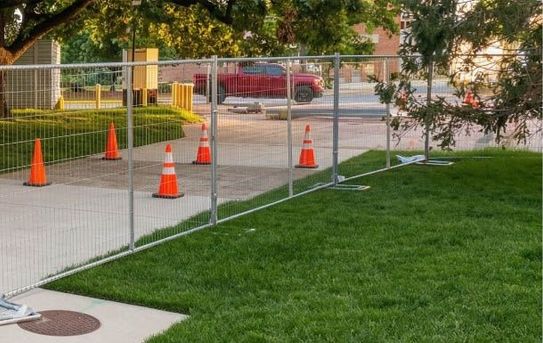
Temporary Fencing for Larger Outdoor Areas
Temporary fence panels work well when you need to enclose a bigger space, such as a festival footprint, a parking area, or a field. They provide a continuous boundary and a stronger deterrent than lighter barriers, and they can be set up and removed quickly.
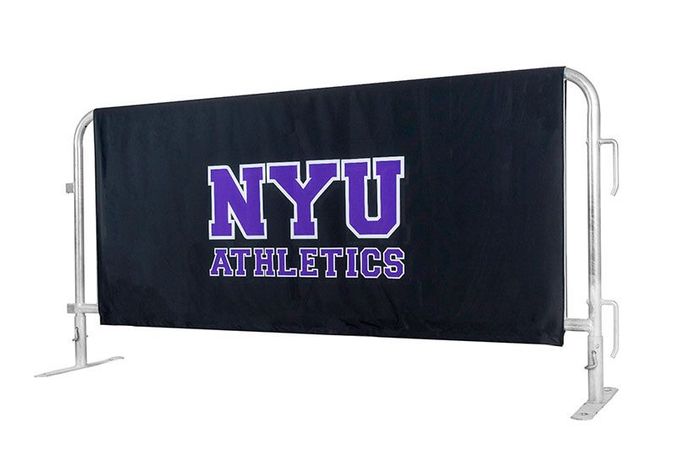
Barricade Covers for School Branding and Sponsorships
Covers turn plain barricades into school-colored, branded lines that look polished and reinforce school spirit. They can also carry sponsor logos, which gives booster clubs and athletic departments a way to offset equipment costs.
Crowd Control Planning: Indoor vs. Outdoor School Events
Indoor and outdoor events call for different approaches, and many school events involve both.
|
Consideration |
Indoor Events |
Outdoor Events |
|
Equipment |
Stanchions and belt barriers for queues and seating lines |
Metal barricades and temporary fencing for perimeters and large areas |
|
Access |
Limited doors; easier to control entry, but exits must stay clear |
Many possible entry points; fencing and barricades define the boundary |
|
Weather |
Little impact |
Rain, heat, wind, and cold affect crowd behavior and equipment choices |
|
Traffic |
Mostly foot traffic in hallways and lobbies |
Foot traffic plus parking, drop-off lines, and street crossings |
|
Crowd movement |
Tighter spaces can cause quick bottlenecks |
More room to spread out, but harder to monitor all areas |
Outdoors, you will also want to plan for parking and drop-off traffic so that vehicles and pedestrians do not mix. Indoors, the biggest risk is a bottleneck at the doors, so the entry and exit plan matters most.
Should Schools Buy or Rent Crowd Control Equipment?
The answer depends on how often your school hosts events.
Renting makes sense when:
- You hold only a few large events each year.
- You have no storage space for equipment.
- You want to avoid maintenance responsibilities.
Buying makes sense when:
- You host events throughout the school year, such as home games, dances, assemblies, and festivals.
- You have a storage area, such as an equipment room or garage.
- You want a long-term cost advantage. Over several seasons, owning equipment can cost less than renting repeatedly.
Before deciding, compare the cost of renting for a full year of events with the cost of buying. Factor in storage space, who will set up and maintain the equipment, and your budget. If funds are tight, start with the essentials and build your inventory over time, putting safety first, then efficiency, then appearance.
Frequently Asked Questions About School Crowd Control
How many staff members or volunteers do I need for a school event?
It depends on the size of the crowd and the number of entry points, but each gate, restricted area, and queue should have someone assigned. Larger events need more people watching for problems and directing guests.
How do I keep unauthorized people out of restricted areas?
Use physical barriers to mark the boundary, post signs, and assign a staff member to the access point. A visible barrier combined with a person on duty works better than either one alone.
Do I need to follow local rules for crowd capacity?
Yes. Fire codes and local regulations set limits on how many people can be in a venue, and your equipment should meet those standards. Check with your fire marshal or district office before the event.
How early should we set up crowd control equipment?
Set up well before gates open so staff can test the layout and make adjustments. Walking the route as a guest would helps you spot problems before the crowd arrives.
Prepare Your School for Safer, More Organized Events
A good crowd control plan helps every school event run more smoothly, from the first car in the parking lot to the last guest out the door. The right equipment makes that plan possible.
Explore SONCO's metal barricades, stanchions, temporary fence, and barricade covers to find what fits your campus. If you're not sure where to start, request a quote and the SONCO team will provide free, no-obligation guidance on the right products for your school's events and budget.
Trend now

Temporary Fence Rental Lifespan: Tips to Make Your Fence Last Longer
Learn the storage habits that extend the lifespan of every panel.

How to Manage a Crowd at an Event: A Complete Guide for Event Managers
Learn how to manage a crowd at an event with proven strategies for planning, signage, barriers, staffing and more.

How to Install a Mesh Chain-Link Fence: Step-by-Step Guide
Learn how to install a mesh chain-link fence step by step.
Search for category
Request a quote now! 